The Complete Guide to the Subscription Business Mode
the complete guide to the subscription business model

Introduction to Subscription Business Model:

The subscription business model has revolutionized how brands operate, shifting focus from one-time transactions to continuous customer relationships.

From streaming services like Netflix to SaaS solutions like Adobe Creative Cloud, the model is transforming industries by providing recurring revenue, predictable growth, and stronger customer engagement.

In this guide, we’ll explore how subscription models work, why they’re so effective, and how integrating loyalty and gift card solutions (like those offered by 99minds) can take your customer retention strategy to the next level.

What Is a Subscription Business Model?

A subscription business model is a strategy in which customers pay a recurring fee monthly, quarterly, or annually to access a product or service continuously.

Instead of one-time purchases, subscribers enjoy ongoing access or regular deliveries, while businesses benefit from stable, predictable revenue.

This model thrives on customer retention, recurring payments, and lifetime value, key drivers of sustainable growth.

How the Subscription Model Works?

A subscription business model functions through a cycle of customer acquisition, automated billing, value delivery, and ongoing engagement. The ultimate goal isn’t just to secure a subscriber but to retain and nurture them for the long term, creating a predictable revenue stream and a loyal customer base.

Let’s break down each stage in detail 👇
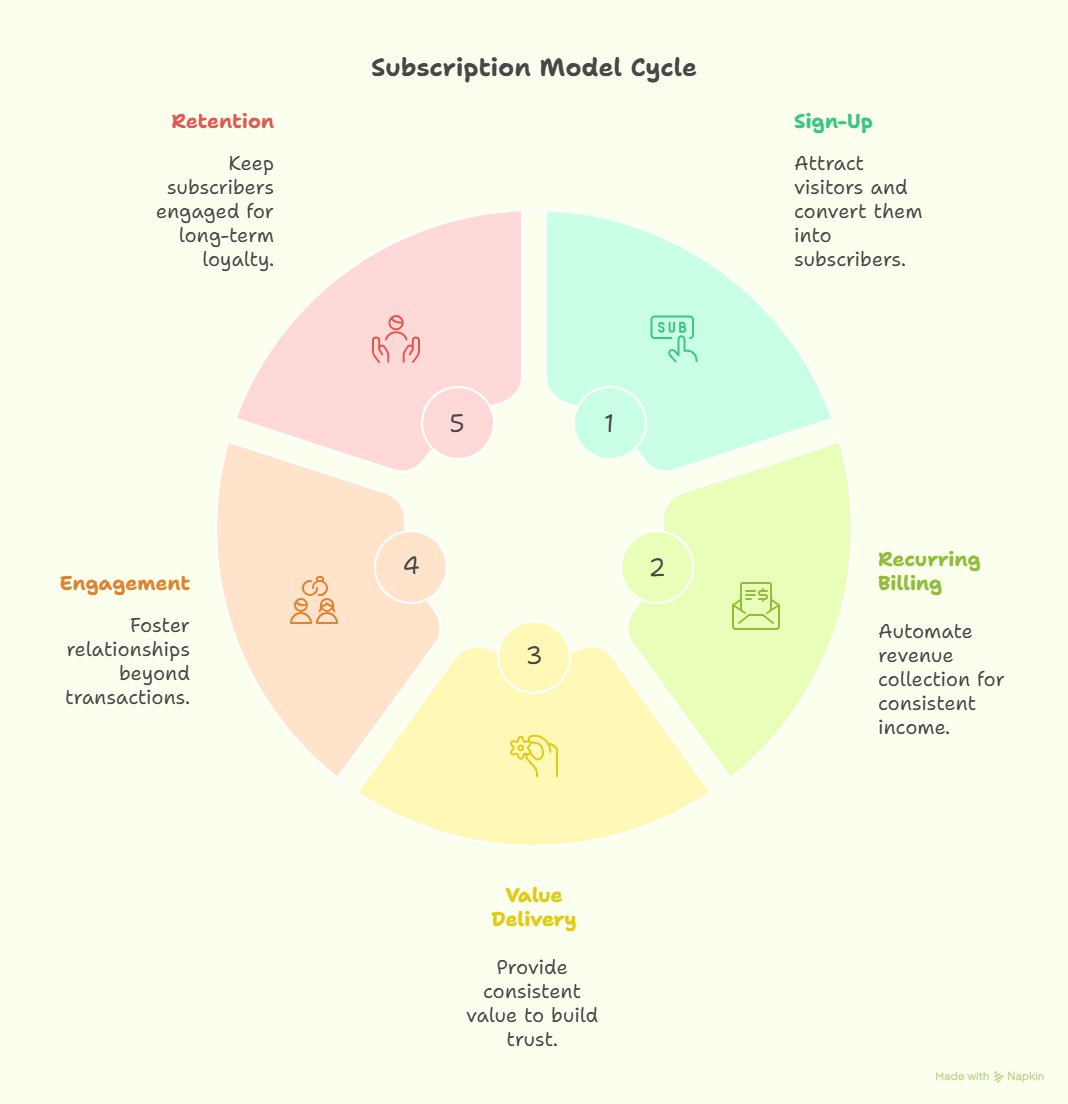
How the Subscription Model Works

  1. Sign-Up: Turning Visitors into Subscribers
  2. The journey begins when a potential customer signs up for a plan or membership. At this stage, the focus should be on clear communication that helps customers understand exactly what they’ll get, how often they’ll be billed, and what benefits they’ll enjoy.

    Key best practices:

    • Offer multiple subscription tiers (e.g., monthly, quarterly, or annual).
    • Highlight savings or exclusive benefits for long-term plans.
    • Simplify the checkout and onboarding process using tools like Shopify.
    • Provide trial or introductory offers to reduce entry barriers.

    A smooth, transparent onboarding experience sets the tone for long-term loyalty.

  3. Recurring Billing: Automating Revenue Streams
  4. Once the customer subscribes, the next step is recurring billing, the foundation of any subscription business. This system automatically charges the subscriber at set intervals (monthly, annually, etc.), ensuring predictable income for the business.

    Key best practices:

    • Use Stripe or a similar platform to handle automated, secure payments.
    • Send reminders before renewal dates to build trust and transparency.
    • Offer flexible payment methods (credit card, digital wallet, etc.).
    • Automate failed payment notifications to reduce churn from billing issues.

    Automation here eliminates manual work and creates a seamless payment experience for both the brand and the customer.

  5. Value Delivery: Consistency Builds Trust
  6. Once payment is processed, the brand must consistently deliver on its promise, whether it’s a digital service, software access, or physical product delivery.

    For example:

    • A SaaS platform provides continuous access to its features and updates.
    • An eCommerce brand delivers curated boxes (like beauty, fashion, or wellness items) every month.
    • A streaming platform provides unlimited access to content as long as the subscription remains active.

    Consistency and quality are key. When subscribers receive ongoing value, they are more likely to renew and recommend your brand to others.

  7. Engagement: Building Relationships Beyond Transactions
  8. Customer engagement is what separates successful subscription brands from the rest. It’s not enough to deliver products; brands must nurture relationships through personalization, communication, and rewards.

    Effective engagement strategies include:

    • Sending personalized content or product recommendations.
    • Offering exclusive discounts or early access to new products.
    • Using loyalty tools like 99minds to reward repeat engagement and referrals.
    • Sharing regular updates or newsletters to keep subscribers informed.

    Continuous engagement strengthens emotional connections, turning customers into loyal advocates.

  9. Retention: Keeping Subscribers for the Long Term
  10. Retention is the ultimate goal of any subscription business. It’s far more cost-effective to retain an existing subscriber than to acquire a new one.

    To achieve this, focus on delivering evolving value and recognizing loyalty:

    • Use feedback loops and surveys to improve the experience.
    • Introduce loyalty rewards for renewals and referrals.
    • Personalize renewal offers based on usage or engagement history.
    • Allow easy upgrades or downgrades to prevent cancellations.

By combining subscription analytics (such as churn rate, lifetime value, and renewal rate) with loyalty data, brands can predict and proactively prevent subscriber churn.

The Role of Technology

Modern subscription success relies heavily on automation and integration.

  • Shopify simplifies the setup of subscription products and customer management.
  • Stripe handles secure, recurring payments with global scalability.
  • 99minds enhances engagement through loyalty programs, gift cards, and referral campaigns, helping brands build stronger connections and improve retention rates.

Together, these tools create a frictionless subscription ecosystem, one that attracts, engages, and retains customers efficiently.

Key Benefits of Subscription Business Models

The subscription business model isn’t just a trend; it’s a strategic approach that offers multiple advantages for businesses aiming for sustainable growth. By focusing on recurring revenue and long-term customer relationships, companies can unlock financial stability, deeper engagement, and operational scalability.

Let’s explore the key benefits in detail:
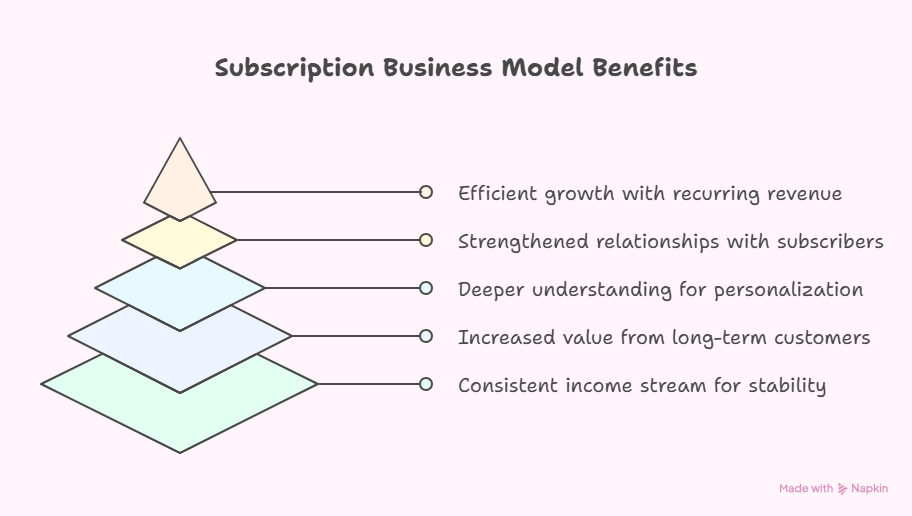
Key Benefits of Subscription Business Models

  1. Predictable Revenue
    • One of the biggest advantages of subscription models is the ability to generate steady, recurring income.
    • Unlike one-time sales, subscription payments are consistent, making it easier to forecast revenue, plan budgets, and invest in growth initiatives. Predictable cash flow also reduces financial risk and provides a solid foundation for scaling operations.

  2. Higher Customer Lifetime Value (CLV)
    • Subscription businesses naturally encourage repeat engagement, which directly boosts customer lifetime value.
    • When customers stay subscribed for months or years, they generate more revenue over time compared to one-time buyers. This long-term relationship also opens opportunities to upsell premium plans, cross-sell additional products, and offer exclusive services.

  3. Customer Insights and Personalization
    • A recurring relationship provides valuable data about customer behavior, preferences, and usage patterns.
    • By analyzing this information, businesses can create highly personalized experiences, recommend relevant products, optimize delivery schedules, and anticipate customer needs. These insights improve satisfaction and reduce churn.

  4. Stronger Brand Loyalty
    • Subscription models inherently foster a sense of connection between the customer and the brand.
    • Subscribers often feel part of an exclusive community and are more likely to advocate for the brand to friends or family. Adding loyalty programs or reward systems (such as those offered by 99minds) further strengthens this connection, incentivizing continuous engagement and renewals.

  5. Ease of Scaling
    • Once a subscription infrastructure is established, businesses can scale efficiently by adding new plans, tiers, or products without overhauling operations.
    • Automation in billing, delivery, and engagement allows companies to expand their subscriber base, launch new offerings, or explore new markets with minimal friction.

Popular Types of Subscription Models

The subscription business model is highly versatile, enabling companies across industries to tailor offerings to customer needs. Different subscription formats cater to distinct markets and customer preferences, each with unique advantages. Here’s a detailed look at the most common types:
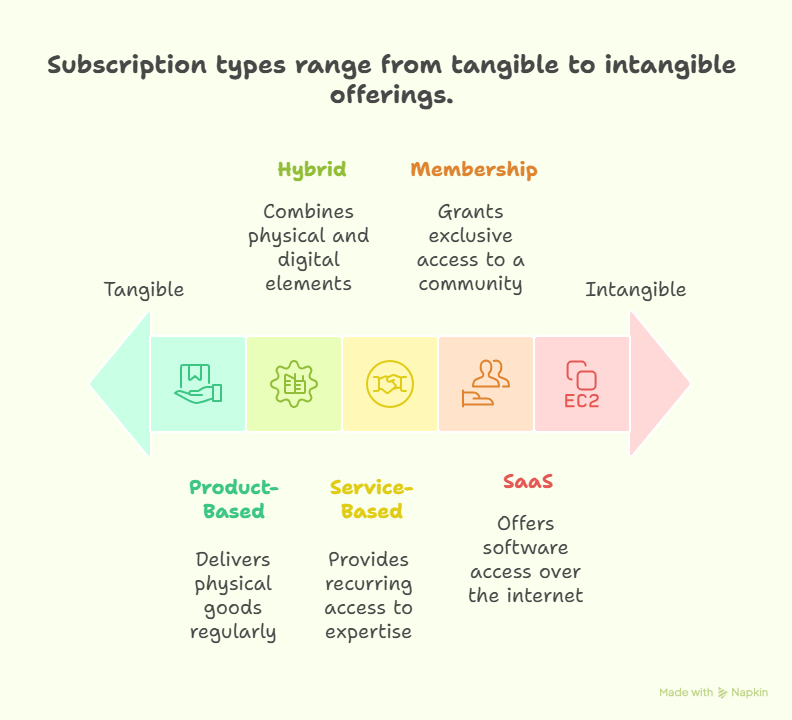
Popular Types of Subscription Models

  1. Product-Based Subscriptions
  2. Overview: Product-based subscriptions involve delivering physical goods to customers on a recurring schedule. This model provides convenience, surprise, and regular access to products without requiring the customer to reorder.

    Examples:

    • Beauty boxes like FabFitFun or Birchbox deliver curated cosmetics and self-care items monthly.
    • Meal kits like Blue Apron or HelloFresh provide ready-to-cook meals weekly.
    • Coffee subscriptions deliver freshly roasted coffee beans or pods directly to homes.

    Why it works: Customers appreciate the convenience of automated deliveries and curated experiences. For brands, this model ensures predictable revenue and the opportunity to build customer loyalty.

  3. Service-Based Subscriptions
  4. Overview: Service-based subscriptions provide recurring access to digital or physical services rather than tangible products. These services often focus on entertainment, convenience, or professional expertise.

    Examples:

    • Streaming platforms like Netflix, Spotify, or Disney+ offer unlimited access to movies, shows, or music.
    • Digital tools like Canva Pro or Adobe Creative Cloud offer design services with regular updates and new features.
    • Fitness or wellness services, such as online yoga classes or personal coaching memberships.

    Why it works: This model thrives on delivering ongoing value through services that customers regularly use. Engagement is key to personalized recommendations, frequent updates, and consistent quality help reduce churn.

  5. SaaS (Software as a Service) Subscriptions
  6. Overview: SaaS subscriptions are common in B2B and tech sectors. Customers pay a recurring fee to access online software platforms, tools, or applications.

    Examples:

    • Salesforce offers CRM solutions with recurring subscription tiers.
    • HubSpot provides marketing, sales, and customer service tools through a subscription model.
    • Adobe Creative Cloud gives access to a suite of creative software for a monthly or annual fee.

    Why it works: SaaS subscriptions provide consistent revenue streams while allowing brands to continuously innovate. Regular updates, analytics, and personalized onboarding enhance customer satisfaction and retention.

  7. Membership Subscriptions
  8. Overview: Membership subscriptions provide access to exclusive communities, perks, or content. Unlike other models, the value is often centered on belonging, experiences, and rewards rather than physical products.

    Examples:

    • Amazon Prime offers fast shipping, streaming, and exclusive deals.
    • Professional associations or clubs provide networking, resources, and early access to industry events.
    • Exclusive eCommerce membership programs may offer loyalty points, early access to products, or VIP discounts.

    Why it works: Membership models create a sense of community and exclusivity. When combined with loyalty programs from platforms like 99minds, these subscriptions can significantly enhance retention and engagement.

  9. Hybrid Subscriptions
  10. Overview: Hybrid subscriptions combine elements of product and service-based models, providing both tangible goods and ongoing services. This approach often delivers a more comprehensive customer experience.

    Examples:

    • Peloton: Customers purchase hardware (like a bike or treadmill) and subscribe to live and on-demand workout classes.
    • Smart home services: Hardware devices paired with app subscriptions for updates, monitoring, or analytics.
    • Luxury subscription services: Products delivered with personalized consultations or exclusive digital content.
Why it works: Hybrid models create a deeper connection between the brand and customer by blending physical and digital experiences. They also increase revenue opportunities by combining product sales with recurring service fees.

Steps to Build a Successful Subscription Business

Here’s how to get started:

  • Define Your Niche: Identify a need your subscription can fulfill.
  • Develop a Value Proposition: Clearly explain why customers should subscribe.
  • Select the Right Pricing Model: Offer flexible options (monthly, annual, freemium).
  • Use the Right Tools: Platforms like Shopify, Stripe, and 99minds help manage billing, loyalty, and engagement.
  • Focus on Retention: Reward loyalty, collect feedback, and personalize the experience.
  • Analyze and Optimize: Track churn, LTV, and engagement to improve continually.

Challenges and How to Overcome Them

While subscription models provide predictable revenue and strong customer relationships, even successful brands face challenges. Understanding these hurdles and implementing proactive strategies is crucial for sustainable growth.
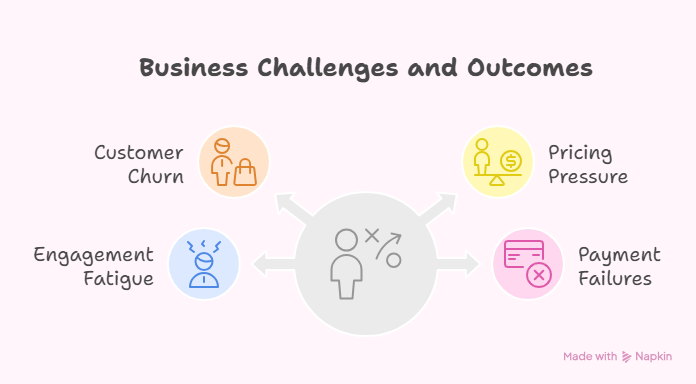
Challenges and How to Overcome Them

  1. Customer Churn
  2. The Challenge: Customer churn occurs when subscribers cancel their subscriptions. Even a small churn rate can significantly impact revenue over time, especially for businesses relying on recurring income.

    How to Overcome It:

    • Offer loyalty rewards: Platforms like 99minds allow brands to reward subscribers for renewals or referrals, creating incentives to stay subscribed.
    • Personalization: Tailor content, products, or services based on subscriber behavior to make the offering more relevant and valuable.
    • Engage consistently: Use email updates, push notifications, or newsletters to keep subscribers informed and connected.

    Example: A meal-kit subscription could send recipe recommendations or special discounts to customers who haven’t ordered in a while, reducing cancellations.

  3. Pricing Pressure
  4. The Challenge: Subscribers are price-sensitive, and competitors may offer lower-cost alternatives. Without strategic pricing, businesses risk losing subscribers or underpricing their offerings.

    How to Overcome It:

    • Tiered pricing: Offer multiple subscription levels (basic, premium, enterprise) to appeal to different budgets.
    • Value-based pricing: Highlight unique benefits such as exclusive products, premium content, or loyalty rewards to justify costs.
    • Trial periods or introductory offers: Let new subscribers experience the value before committing to full pricing.

    Example: A SaaS platform could offer a free trial or a limited-feature plan to attract price-conscious users while encouraging upgrades to premium tiers.

  5. Engagement Fatigue
  6. The Challenge: Subscribers may lose interest if the product or service feels repetitive or fails to meet evolving expectations. Engagement fatigue can lead to cancellations.

    How to Overcome It:

    • Introduce fresh offerings: Regularly update products, services, or content to keep things exciting.
    • Use loyalty and rewards programs: Platforms like 99minds can reward continued engagement with points, exclusive perks, or discounts.
    • Personalize communication: Send tailored recommendations and updates based on usage patterns.

    Example: A streaming service could recommend new shows based on viewing habits or provide bonus content to keep subscribers engaged.

  7. Payment Failures
  8. The Challenge: Failed payments—due to expired cards, insufficient funds, or technical issues can disrupt recurring revenue and annoy customers.

    How to Overcome It:

    • Automated reminders: Notify customers before renewal dates and when payment issues arise.
    • Flexible payment options: Allow multiple payment methods (credit/debit cards, digital wallets, net banking).
    • Seamless billing platforms: Use tools like Stripe or Shopify to securely and efficiently handle recurring payments.

Example: A SaaS company can automatically retry failed payments and notify subscribers via email, reducing involuntary churn.

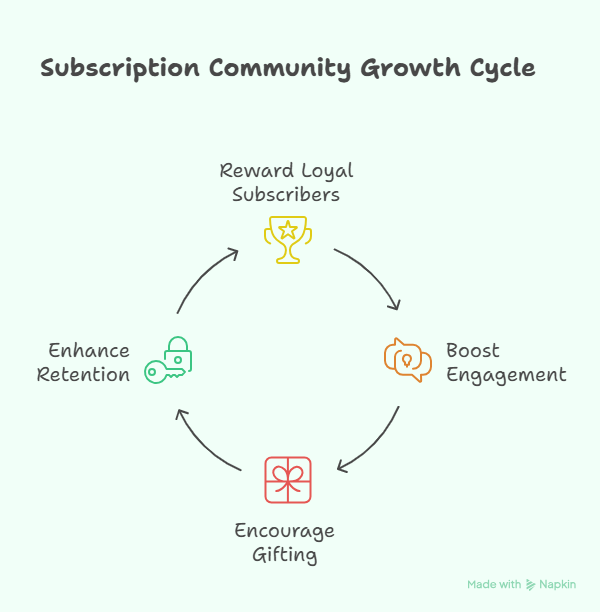
How Loyalty & Gift Card Programs Strengthen Subscription Models?

While subscription models ensure recurring revenue, the key to long-term success lies in retaining subscribers and keeping them engaged. This is where loyalty programs and gift cards play a critical role, transforming a standard subscription into a customer-centric ecosystem that builds trust, satisfaction, and advocacy.

By integrating platforms like 99minds, brands can seamlessly combine subscription management with rewards, incentives, and gifting options, creating a more compelling and engaging experience for subscribers.
How Loyalty & Gift Card Programs Strengthen Subscription Models

  1. Reward Loyal Subscribers
  2. Why it matters: Subscribers are more likely to stay engaged when their loyalty is recognized. Rewarding actions like plan renewals, consistent usage, or referrals strengthens their emotional connection to the brand.

    How it works with 99minds:

    • Offer points for subscription renewals or milestones.
    • Provide bonus points for referring others.
    • Allow points to be redeemed for discounts, exclusive products, or premium experiences.

  3. Boost Engagement
  4. Why it matters: Long-term subscribers may experience engagement fatigue if they feel the subscription becomes repetitive. Surprise rewards or exclusive perks keep the experience fresh and exciting.

    How it works with 99minds:

    • Send personalized rewards for anniversaries or milestones.
    • Launch limited-time promotions or bonus points campaigns.
    • Gamify engagement with tiered rewards for consistent activity.

  5. Encourage Gifting
  6. Why it matters: Subscriptions can be shared as gifts, opening opportunities for acquisition and expansion. Gift cards or credits make it easy for subscribers to introduce your brand to new users.

    How it works with 99minds:

    • Allow subscribers to gift a subscription plan to others.
    • Offer gift cards redeemable for subscriptions or products.
    • Create referral incentives that reward both the sender and the receiver.

  7. Enhance Retention
  8. Why it matters: Retention is the backbone of a subscription business. Subscribers who feel rewarded and valued are less likely to cancel. Combining loyalty incentives with the subscription renewal process can reduce churn and extend customer lifetime value.

    How it works with 99minds:

    • Tie rewards to renewal dates or subscription milestones.
    • Offer bonus points or discounts to encourage early renewals.
    • Use automated campaigns to remind subscribers of rewards tied to continued engagement.

Conclusion

The subscription business model isn’t just a trend; it’s the future of sustainable growth. It turns short-term buyers into loyal advocates, creating consistent revenue and meaningful customer relationships. By combining subscription strategies with loyalty and gift card programs powered by 99minds, brands can deepen engagement, reduce churn, and maximize customer lifetime value. If your goal is to create predictable growth and brand loyalty, the subscription business model backed by the right retention tools is your path forward.

Book a Demo CTA image for b2b ecommerce trends

Subscription Business Model Frequently Asked Questions (FAQs)

Why is the subscription business model so popular?

It ensures predictable revenue, customer retention, and long-term engagement, making it ideal for modern businesses.

Which industries benefit most from subscription models?

SaaS, eCommerce, media, fitness, and education are leading adopters — but the model can work across industries.

How do loyalty programs improve subscription retention?

They reward customers for renewals and engagement, motivating them to stay subscribed longer.

What role do gift cards play in subscription growth?

Gift cards encourage trial subscriptions, referrals, and repeat purchases.

Boost Customer Engagement with 99minds. The Ultimate Gift Card & Loyalty Solution!

Sign up for free
99minds Dashboard