Table of Contents:
For DTC (Direct-to-Consumer) brands, growth often comes with a hefty price tag. According to ProfitWell, customer acquisition costs (CAC) have surged by over 60% in the past five years, forcing brands to spend more to acquire the same number of customers. With rising ad costs and fierce competition, it’s no longer enough to pour money into paid channels.
Reducing your customer acquisition cost isn’t just about spending less; it’s about spending smarter. From leveraging user-generated content to improving retention and optimizing conversions, small strategic shifts can make a big difference.
Let’s explore 12 proven ways to reduce customer acquisition cost and set your DTC brand up for sustainable growth.
One of the easiest ways to reduce customer acquisition cost is by focusing on existing customers. Acquiring a new customer can cost five times more than retaining one. When your loyal customers keep buying and referring, you need fewer new customers to maintain growth.
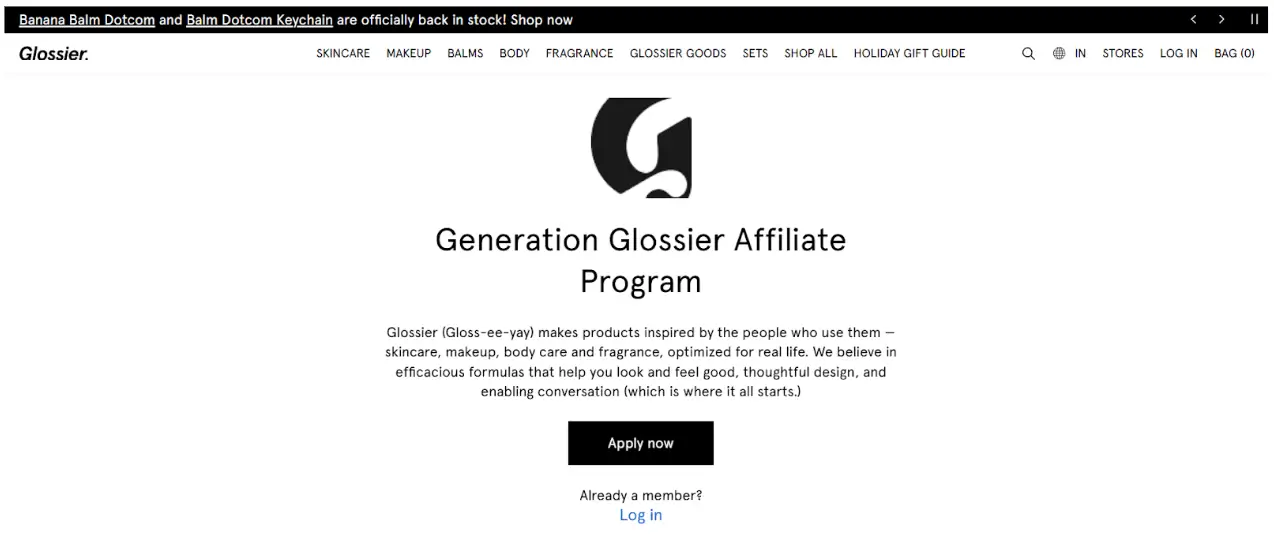
Use loyalty programs, personalized offers, and subscription models to keep your audience engaged. Brands like Glossier have mastered this by turning customers into repeat buyers and brand advocates.
If you’re driving traffic but not converting enough visitors, you’re overspending on acquisition. Audit your conversion funnel from ads to checkout and remove friction points.
Test your landing pages, improve product photography, and simplify the checkout process. Even a 1% increase in conversion rate can dramatically lower customer acquisition cost by maximizing the return on your ad spend.
Use heatmaps, A/B testing, and customer journey analytics tools to find where people drop off and fix it quickly.
UGC builds trust faster than branded content. Studies show that 79% of consumers say UGC highly impacts their purchasing decisions.
Encourage customers to share photos, reviews, or testimonials on social media and your website. When potential buyers see real people using your products, it shortens the consideration phase and reduces acquisition costs by improving conversion rates.
You can incentivize UGC with loyalty points or small discounts, creating a win-win for your brand and customers.
Relying solely on paid ads is a fast track to high CAC. Instead, build owned channels like email and SMS to engage and nurture leads without ongoing ad spend.
Segment your audience, personalize messages, and automate post-purchase follow-ups. DTC brands that integrate email and SMS typically see a 30-40% increase in repeat purchases, which helps reduce overall customer acquisition cost.
Email isn’t dead; it’s just underused. The more you rely on your owned channels, the less dependent (and expensive) paid traffic becomes.
Many DTC brands burn money on broad ad targeting. To lower customer acquisition cost, focus on high-intent audiences and creative testing.
Use data-driven segmentation to retarget website visitors, lookalike audiences, or cart abandoners. Fresh ad creatives also keep your campaigns relevant and engaging.
Meta and TikTok reward relevancy with lower CPMs, meaning better engagement leads to cheaper acquisition. Don’t set and forget your campaigns; iterate constantly based on performance.
Collaborating with other DTC brands or influencers who share your audience can dramatically decrease customer acquisition cost.
Co-branded giveaways, influencer partnerships, and affiliate programs allow you to reach new audiences without paying for ads.
For example, a skincare brand can partner with a wellness or supplement company to create joint content or bundles. Both brands share exposure, and the acquisition cost per customer drops.
Unlike paid ads, SEO delivers compounding returns. Creating high-quality blog posts, tutorials, and product guides helps drive consistent organic traffic.
A solid SEO strategy helps you reduce customer acquisition cost over time because organic traffic doesn’t require continuous investment.
Use keyword-rich content, optimize your product pages, and publish thought-leadership pieces around your niche. DTC brands that own their organic channels enjoy sustainable growth at a fraction of paid acquisition costs.
Customers drop off when the buying journey feels confusing or lengthy. A smoother, faster journey equals more conversions and lower CAC.
Streamline your website navigation, add one-click checkout options, and ensure mobile optimization. A faster-loading site (under 3 seconds) can improve conversion rates by up to 20%, helping you lower customer acquisition cost instantly.
Every unnecessary step is a barrier to purchase, so remove them.
Referral marketing is one of the most cost-efficient ways to acquire new customers. It turns happy buyers into your sales team.
Referral program tools like 99minds help automate the process by rewarding customers who refer friends. Referred customers tend to have 16% higher lifetime value, making them cheaper and more profitable to acquire.
When referrals scale, your paid acquisition costs naturally shrink.
Generic marketing wastes money. Use behavioral data and AI-driven tools to personalize the experience, from email offers to product recommendations.
Personalized product suggestions can boost conversions by up to 26%, according to McKinsey. The more relevant your messaging, the higher your conversion rates and the lower your CAC.
Personalization doesn’t need to be complex. Even dynamic homepage banners or customized discount codes can make a huge impact.
Not everyone buys on their first visit, but that doesn’t mean they’re lost. Retargeting helps you bring them back at a fraction of the cost of new users.
Set up retargeting campaigns for cart abandoners, product viewers, and site visitors. With relevant messaging and limited-time offers, you can reduce customer acquisition cost while maximizing ROI from existing traffic.
Platforms like Meta, TikTok, and Google Ads make retargeting easy to automate and measure.
You can’t improve what you don’t measure. Track your CAC by channel to see which sources deliver the best ROI.
For example, your Google Ads might drive higher lifetime value than Facebook, even if initial CACs are higher. The key is to find balance, cut channels that drain budgets, and double down on what works.
Use tools like HubSpot, Paddle, or Shopify Analytics to calculate your CAC in real-time. Regular analysis helps you stay efficient, data-driven, and profitable.
Reducing customer acquisition cost doesn’t mean cutting corners; it means creating smarter, more efficient marketing systems.
The key lies in blending acquisition with retention, paid with organic, and data with creativity. Each of these strategies builds upon the other, helping you attract customers more affordably while maximizing their lifetime value.
If you’re looking to strengthen your acquisition and retention strategies, platforms like 99minds can help with omnichannel loyalty, referral, and gift card solutions. It empowers DTC brands to turn every transaction into a long-term relationship, reducing acquisition costs and boosting profitability.