Table of Contents:
Repeat purchases have become the backbone of sustainable growth for modern DTC brands. They represent customers who choose your brand again and again due to trust, satisfaction, and the overall experience.
A repeat purchase means a customer returning to buy your product for the second, third, or even tenth time. It’s proof that your brand delivered value the first time and built enough connections to bring them back.
For DTC businesses, repeat purchases are critical because they directly lower customer acquisition costs. You’re not paying to attract new shoppers, you’re nurturing relationships with people who already know and love your brand.
And the impact is huge. According to Bain & Company, increasing customer retention by just 5% can boost profits by 25–95%.
That’s precisely why innovative brands focus less on one-time sales and more on strategies that encourage customers to come back, spend more, and become loyal advocates.
A repeat purchase happens when a customer buys from the same brand more than once. It’s a clear sign that your brand has earned their trust and satisfaction. When customers choose to come back and buy again, it shows growing loyalty and confidence in your product and overall experience.
The importance of repeat purchases for DTC brands, particularly in competitive sectors like fashion, beauty, wellness, food & beverage, and specialty retail, cannot be overstated. Repeat purchases are a key indicator of customer loyalty, satisfaction, and overall business health.
Understanding why repeat purchases matter can help brands make informed decisions to enhance customer relationships, drive sustainable growth, and improve profitability.
Repeat purchasers provide a predictable stream of income, allowing brands to forecast sales and plan growth confidently. Unlike one-time buyers, loyal customers create a stable financial foundation, which is especially critical for businesses facing intense competition or seasonal fluctuations.
Retaining existing customers is far more cost-effective than acquiring new ones. Marketing, advertising, and promotional expenses are significantly lower when targeting past customers. By focusing on repeat purchasers, brands can reduce costs while maximizing ROI on marketing spend.
Customers who buy multiple times increase their overall value to the brand. High customer lifetime value enables businesses to invest in personalized experiences, loyalty programs, and premium offerings. For example, a skincare or wellness brand can earn substantially more revenue from repeat buyers over 12 months than from first-time purchasers.
Even small increases in customer retention can lead to significant profit gains. Studies show that improving retention by just 5% can increase profits by 25–95%. Repeat purchasers are often less price-sensitive and more receptive to upsells, contributing to healthier margins.
Customers who return demonstrate trust in a brand’s products and services. This trust reduces churn and fosters long-term loyalty. Brands that consistently deliver value, personalized engagement, and exceptional experiences create strong emotional connections with repeat purchasers.
Repeat purchasers often act as brand advocates, sharing their experiences through referrals, reviews, and social media posts. This organic promotion drives traffic and sales without additional marketing costs. Globally, many DTC brands report that 20–30% of new customers come through referrals from repeat buyers.
Tracking repeat purchases can also reveal potential issues with products, pricing, or customer experience. Low repeat purchase rates may indicate dissatisfaction, lack of engagement, or strong competition. Monitoring these trends allows brands to take timely corrective action and optimize strategies to retain customers.
Winning new customers is hard, but keeping them coming back is what drives long-term business growth. Repeat customers spend more, refer others, and are easier to retain with the right engagement strategy.
Here are 15 practical strategies to increase repeat purchases:
Loyalty programs are one of the most effective ways to turn one-time buyers into repeat customers. They reward customers for engaging with your brand through purchases, referrals, or even social actions. How to make loyalty programs work:
Here is example for Calico’s Loyalty Program
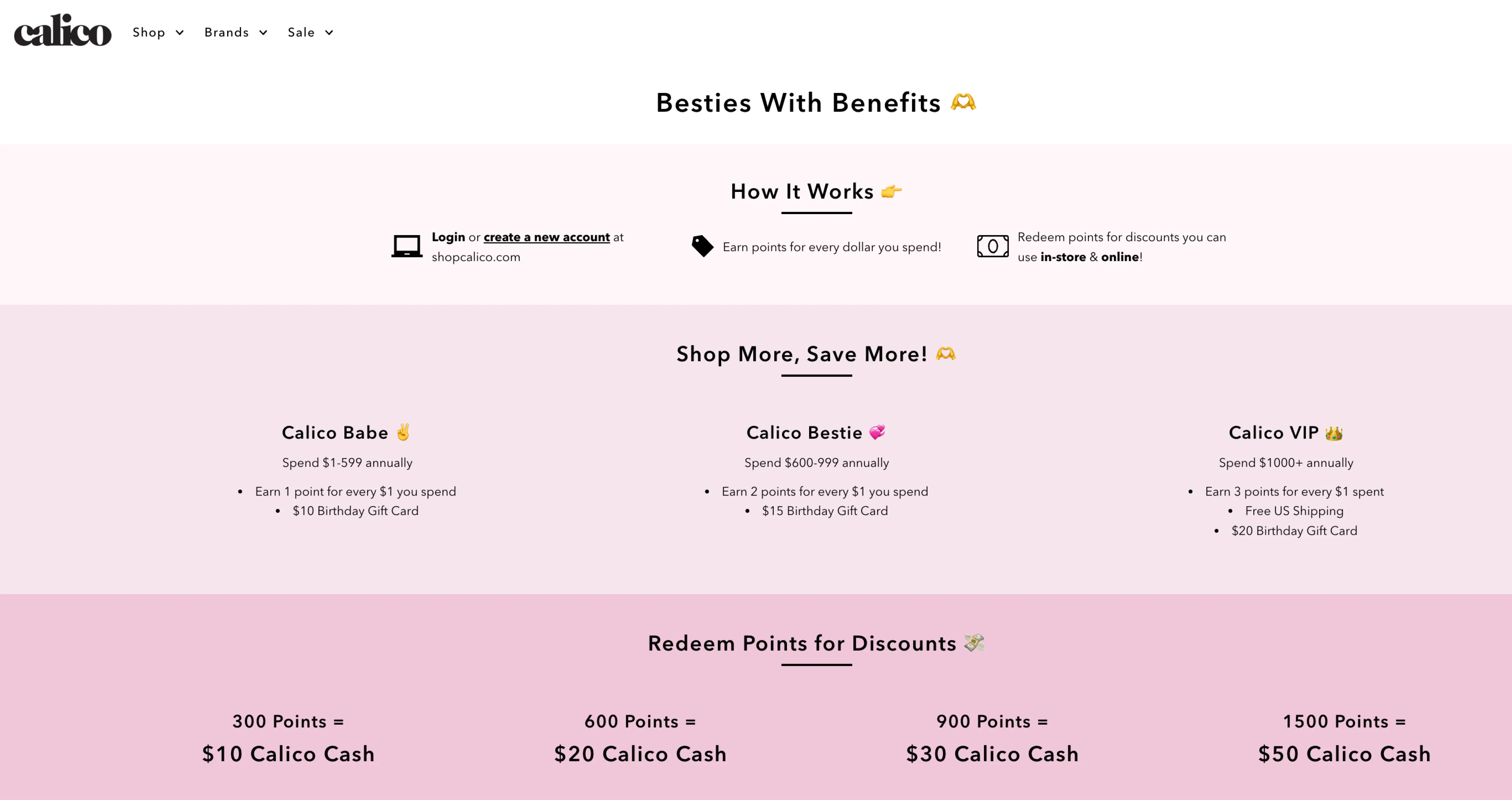
Calico, a leading fashion and lifestyle retailer, revamped its loyalty program with 99minds to strengthen repeat purchases and customer engagement.
Through a tiered loyalty structure, Calico rewarded customers not just for purchases but also for engagement activities like referrals and social interactions. Members in higher tiers received exclusive perks such as bonus points, early access to sales, and birthday rewards.
This integration allowed Calico to:
The result was a significant boost in customer retention and engagement, with customers actively returning to earn and redeem points.
You can read more about it here: 99minds x Calico Case Study
Why it works:
Tiered systems encourage progression. The more a customer spends, the more exclusive rewards they unlock. It not only boosts repeat purchases but also increases average order value (AOV).
Many brands stop nurturing customers once the order is placed, missing a huge opportunity to drive repeat purchases. Post-purchase engagement not only builds trust but also helps customers get more value from what they bought.
Automated, personalized messages delivered via email, SMS, or in-app can deepen the customer relationship. Sending thank you rewards, suggesting complementary products, or prompting reviews keeps your brand top of mind.
Real-time automation helps deliver these messages exactly when customers are most receptive, increasing the likelihood of a second purchase.
Strategies:
While discounts can drive short-term sales, they often reduce margins and can hurt brand value. Offering store credit or cashback encourages repeat purchases without devaluing your products.
For Example: Natori’s Store Credit Strategy

Luxury fashion brand Natori worked with 99minds to integrate a store-credit/gift-card refund option when customers returned items. Rather than issuing a cash refund, customers could choose a Natori gift card/store credit which they could redeem only in Natori’s ecosystem. As a result:
This strategy kept the return/refund value within the brand, encouraged repeat visits, and strengthened customer loyalty.
Benefits:
Timing can make or break a repeat purchase opportunity. Customers often have predictable purchase cycles, especially for consumables or replenishable items.
For example, a customer might buy protein powder every month or replace razors every six weeks. Using real-time marketing automation, you can track such patterns and send timely reminders when it’s time to restock.
Additionally, automated triggers help recover missed conversions, like sending a gentle reminder to customers who added items to their cart but didn’t check out. These well-timed nudges come across as helpful, not pushy, and significantly improve repeat purchase rates while keeping customers loyal to your brand.
Subscriptions are one of the easiest ways to lock in repeat revenue and create long-term loyalty. Ideal for consumables like coffee, pet food, or vitamins, subscription or replenishment programs remove friction from the buying process.
The benefits are twofold:
For instance, a customer who subscribes to a monthly protein supplement box never has to worry about reordering. You can further personalize by offering flexible delivery options, early access to new products, or loyalty points for every renewal.
This level of convenience builds lasting relationships and transforms casual buyers into committed subscribers.
Every purchase creates a window of opportunity to drive another. AI-powered recommendation engines can analyze customer data and suggest relevant add-ons or complementary items.
For example:
These personalized recommendations can appear during checkout, in post-purchase emails, or even on your website’s homepage.
By understanding customer preferences and purchase patterns, you can deliver contextually relevant suggestions that feel intuitive rather than intrusive, boosting both customer satisfaction and lifetime value.
While loyalty programs focus on long-term engagement, you also need to think about the crucial step between first and second purchase. That’s where purchase incentives come in. Offering a small reward or limited-time offer to first-time customers can encourage them to return and buy again. For instance:
You can use predictive analytics to identify customers who haven’t purchased in a while but are likely to return with the right nudge. A small incentive, used strategically, can turn one-time buyers into repeat purchasers.
However, use this tactic carefully. Overuse of discounts can erode brand value, so balance promotions with genuine engagement and loyalty rewards.
Even the most interested visitors may leave your website without completing a purchase. Retargeting allows you to re-engage these high-intent shoppers through personalized ads and messages across platforms.
Using tracking pixels or customer data, you can identify users who viewed your products, added to cart, or visited key pages. Then, serve them tailored ads for example, “Still thinking about that tote bag? Here’s 10% off just for you.”
AI and machine learning take this further by analyzing behavior to predict which customers are most likely to convert, allowing you to focus on high-value segments.
Retargeting bridges the gap between interest and action, converting missed opportunities into repeat buyers.
Unused gift card balances represent missed engagement and stalled revenue. By proactively nudging customers to redeem leftover balances, brands can drive customers back to the store and increase purchasing frequency.
Automations can identify customers with unused or low balances and send timely messages encouraging redemption. Combining this with incentives like small top-up bonuses creates urgency and excitement.
Highlighting new collections or bestsellers can make the redemption moment more compelling.
Methods to increase redemption:
Increases return visits, boosts repeat purchase rate, and recaptures otherwise dormant revenue.
Gift cards are powerful tools for increasing repeat purchases and boosting customer lifetime value. Many brands do not fully utilize them, but when combined with smart incentives, they can significantly enhance both engagement and spending.
Customers who redeem gift cards often spend more than the card’s value, leading to a higher average order value (AOV).
To maximize the effectiveness of these tools, promote gift cards at multiple touchpoints, such as during checkout, in customer accounts, and through email campaigns. Additionally, consider offering bonus-value gift cards during the holiday season.
Best practices:
Customers expect brands to treat every channel online store, mobile app, POS, and social like one unified experience. When rewards, gift cards, and credit work seamlessly everywhere, it eliminates friction and builds trust.
Omnichannel consistency ensures customers can earn and redeem points anywhere they shop without worrying about system limitations. This is especially important for multi-location stores or brands using a combination of POS systems and ecommerce platforms.
Investing in real-time data sync is essential to providing this unified experience.
Key focus areas:
Customers who haven’t purchased in a while often just need a small nudge to return. Win-back campaigns are an effective way to re-engage dormant customers by reminding them of your value and offering personalized incentives.
Using behavioral data, you can segment lapsed customers based on inactivity duration and tailor messages accordingly. A warm, friendly reminder combined with a limited-time reward can often reignite interest.
The key is relevance. Make the message feel personal, helpful, and timely rather than pushy. Effective win-back ideas:
A well-designed win-back strategy increases repeat purchase rates and reduces customer churn.
Customer feedback is one of the most valuable tools for understanding friction points and improving overall experience. Repeat customers are more likely to share honest insights that can shape your product and service improvements.
Actively collecting feedback shows customers that their opinions matter, which strengthens trust and boosts retention. Once feedback is gathered, it is important to close the loop by addressing issues or communicating improvements.
Feedback also helps identify product gaps and opportunities for upselling or cross-selling.
Ways to collect actionable feedback:
Better customer experience, fewer complaints, and higher repeat purchase rates.
A seamless operational experience plays a huge role in customer loyalty. Fast shipping, easy returns, and responsive customer support directly influence whether customers come back.
Even if a customer likes your product, delayed shipping or a complicated return process can prevent future purchases. On the other hand, brands with smooth operations build trust effortlessly.
Improving these areas not only increases satisfaction but also reduces support costs over time.
Best practices:
Outcome: Customers feel valued and are more likely to return for additional purchases.
Gamifying the shopping and loyalty experience makes interactions more fun and engaging. When customers are rewarded for actions beyond just purchases, it encourages ongoing participation and increases brand stickiness.
Gamification taps into human behavior patterns like achievement, competition, and curiosity. Even simple mechanics like earning badges or unlocking milestones can create powerful motivation. This approach works exceptionally well in loyalty programs, mobile apps, and omnichannel experiences.
Examples of gamification:
Benefit: Higher engagement, stronger loyalty, and more repeat purchases.
Repeat purchases are a cornerstone of sustainable growth. By engaging customers post-purchase, leveraging loyalty programs, and using data-driven automation, brands can increase repeat sales, reduce acquisition costs, and foster lasting customer relationships.
At 99minds, we help DTC brands enhance repeat purchases through loyalty programs, gift cards, and automation tools, ensuring predictable revenue and loyal customer bases.