Table of Contents:
Loyalty and referral programs have become a core part of every DTC brand’s growth strategy. They drive repeat purchases, increase customer lifetime value, and help brands build long-term relationships beyond one-time transactions, whether customers shop online, in-store, or both.
Yotpo has been a popular platform for running loyalty, referral, and review programs. It’s widely adopted, feature-rich, and works well for brands getting started with structured retention initiatives. However, as brands scale into physical retail or need more flexibility around pricing, customization, and omnichannel loyalty, some limitations become more noticeable.
This guide breaks down the best alternatives to help you choose the right loyalty and referral platform for your business.
Yotpo is an ecommerce marketing platform best known for its reviews, loyalty & rewards, referral programs, and SMS marketing tools. It helps brands collect user-generated content, reward customers for engagement, and encourage repeat purchases.
The platform is widely used by mid-market and enterprise DTC brands, particularly those operating online-first.
Key Features of Yotpo
Yotpo works well for brands that can afford its pricing and fit neatly into its ecosystem. But for many modern DTC brands, that’s where the friction begins.
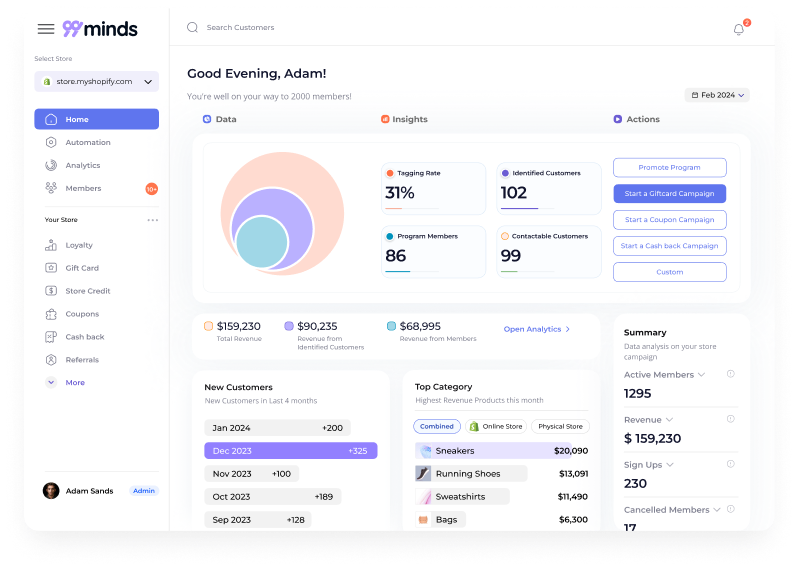
With 99minds, create unified loyalty programs that work seamlessly across online and physical stores
Despite its popularity and broad feature set, Yotpo isn’t always the right fit for fast-growing DTC brands in 2026, especially those selling across both online and physical channels. As brands scale, several recurring challenges begin to surface.
Here are the most common issues brands encounter when using Yotpo for loyalty and referral programs:
High and Unpredictable Pricing: Yotpo’s pricing can escalate quickly as order volume, feature usage, or additional channels are added. Many brands only discover the full cost after onboarding, making it difficult to forecast ROI accurately.
Online-First, Not Truly Omnichannel: For DTC brands operating both online and in physical stores, syncing loyalty points, referrals, and rewards across channels often feels fragmented and complex.
Limited Customization Without Technical Support: Advanced loyalty logic, custom earning rules, or unique reward flows frequently require developer involvement, which slows down experimentation and iteration.
Feature Overload for Lean Teams: While the platform is powerful, many teams end up paying for features they don’t actively use. The interface can feel heavy for brands that want speed, simplicity, and quick execution.
Slower Time to Value: Due to layered pricing, setup complexity, and configuration overhead, brands often take longer to see measurable results compared to more focused loyalty platforms.
These limitations are why many DTC brands eventually start exploring Yotpo alternatives that offer greater flexibility, clearer pricing, and loyalty experiences that work seamlessly across both online and offline channels.
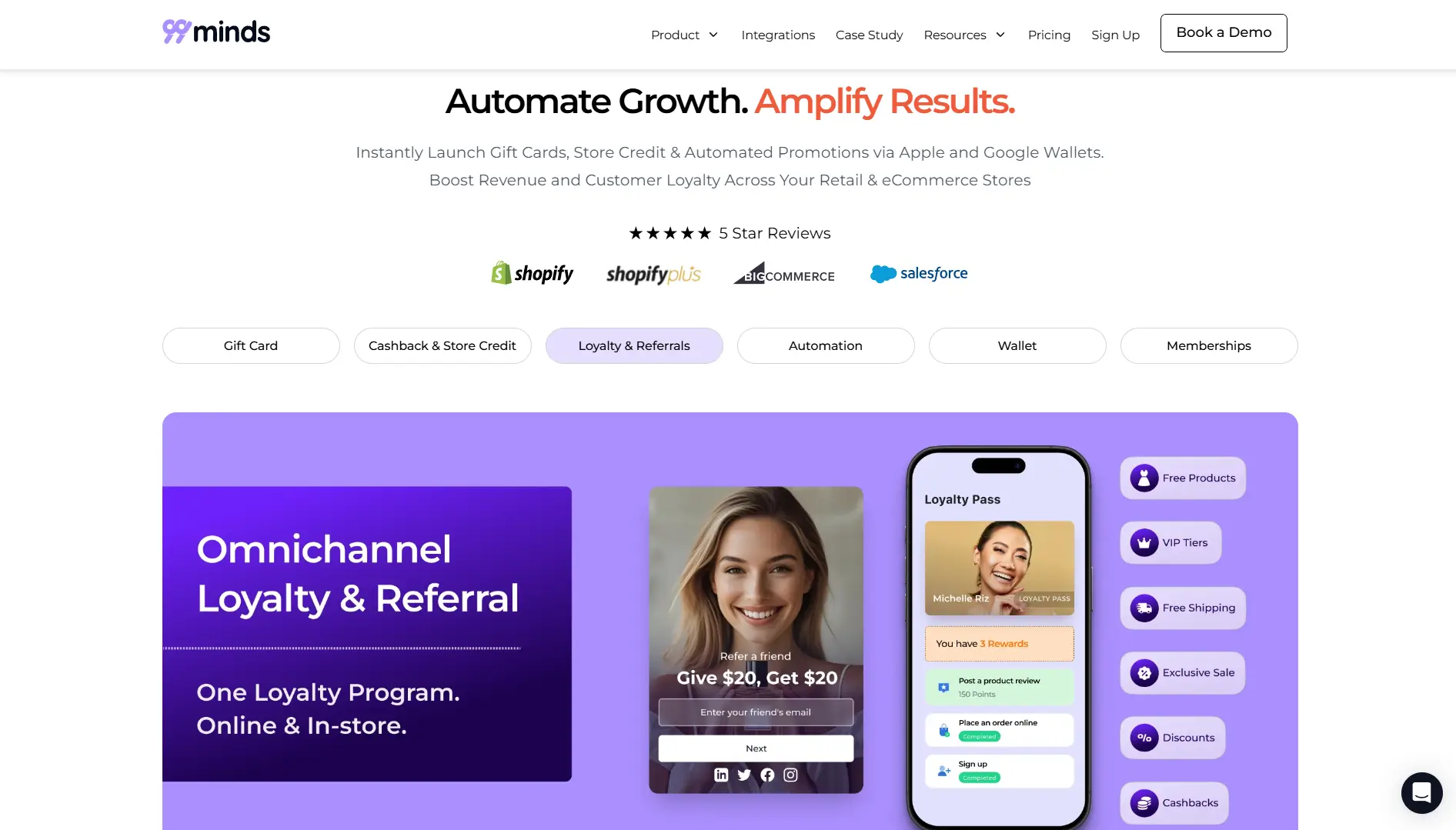
99minds is the best alternative to Yotpo for DTC brands looking to run powerful loyalty and referral programs across both online and physical stores.
It helps brands reward customers consistently through a unified omnichannel loyalty system that keeps points, referrals, store credits, and VIP perks synced between ecommerce and POS in real time.
With mobile wallet loyalty passes, flexible VIP tiers and memberships, cashback and store credits for refunds, and transparent pricing, 99minds is the more intelligent choice for growing DTC brands that want stronger retention without complexity or channel limitations.
Key features:
Unified Loyalty and Referral Promotion Engine: 99minds lets brands manage loyalty, referrals, memberships, store credits, coupons, and mobile wallet passes from one dashboard. You can create and manage loyalty points, referral rewards, VIP tiers, membership benefits, store credits, cashback, and coupon campaigns without using multiple tools or manually syncing data.
Fully Customizable Loyalty and Referral Programs: 99minds allows brands to fully customize loyalty and referral programs to their specific business goals, rather than forcing them into rigid templates. You can define custom earning rules, referral incentives, reward logic, VIP tiers, and membership structures that align with how your customers actually engage with your brand.
Mobile Wallet Pass Integration: 99minds Mobile Wallet integrates with Apple Wallet and Google Pay to issue digital loyalty passes. Customers can store passes on their phones to view point balances, access rewards, and redeem offers both online and in-store without logging in. Brands can send wallet notifications for unused rewards, expiring points, and promotions, driving repeat visits and higher redemption with minimal effort.
Real-Time Sync and Integrations Across Channels: 99minds syncs loyalty and referral data in real time across ecommerce and POS cloud systems, including Shopify, Shopify Plus, BigCommerce, Lightspeed, Square, Heartland, and more. When a customer earns or redeems points online, the balance updates instantly at the POS, and vice versa. This keeps rewards consistent across online and in-store channels and gives brands a single, accurate view of customer activity.
Pros:
Cons:
Why 99minds Is the Best Yotpo Alternative in 2026
99minds is built for DTC brands that operate beyond ecommerce-only setups. While Yotpo works for online-first loyalty programs, it becomes restrictive as soon as brands expand into physical retail or omnichannel models. It is designed for real-world commerce, giving brands a single system where loyalty, referrals, store credits, memberships, and rewards work seamlessly across online and in-store touchpoints without added complexity.
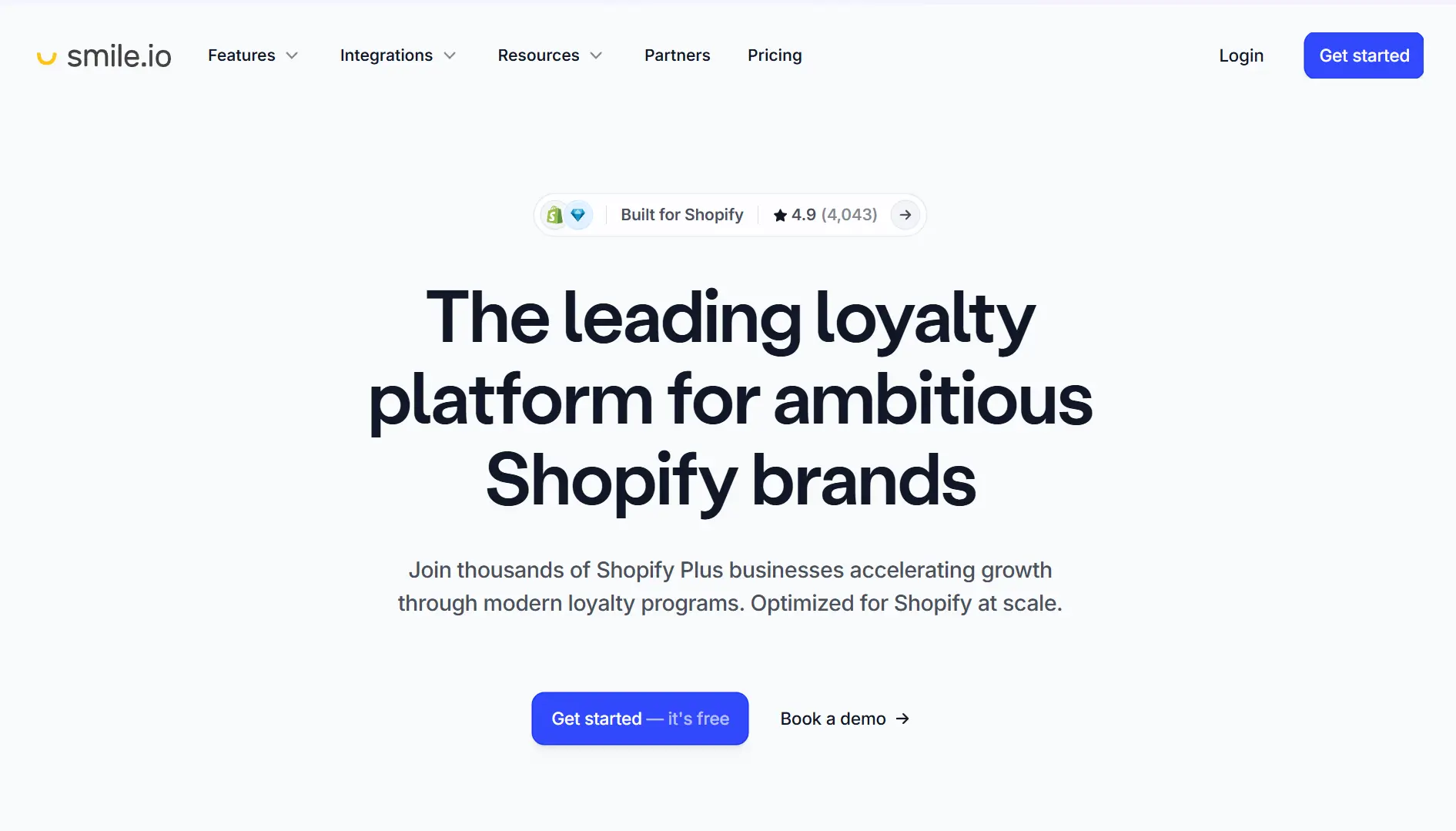
Smile.io focuses on helping ecommerce brands launch simple loyalty and referral programs without heavy setup. It’s designed for speed and ease of use, making it a common starting point for brands that want to introduce points and referrals quickly.
Instead of complex configurations, Smile.io relies on predefined loyalty mechanics that are easy to activate and manage, allowing teams to go live with minimal technical effort.
Key features:
Pros:
Cons:
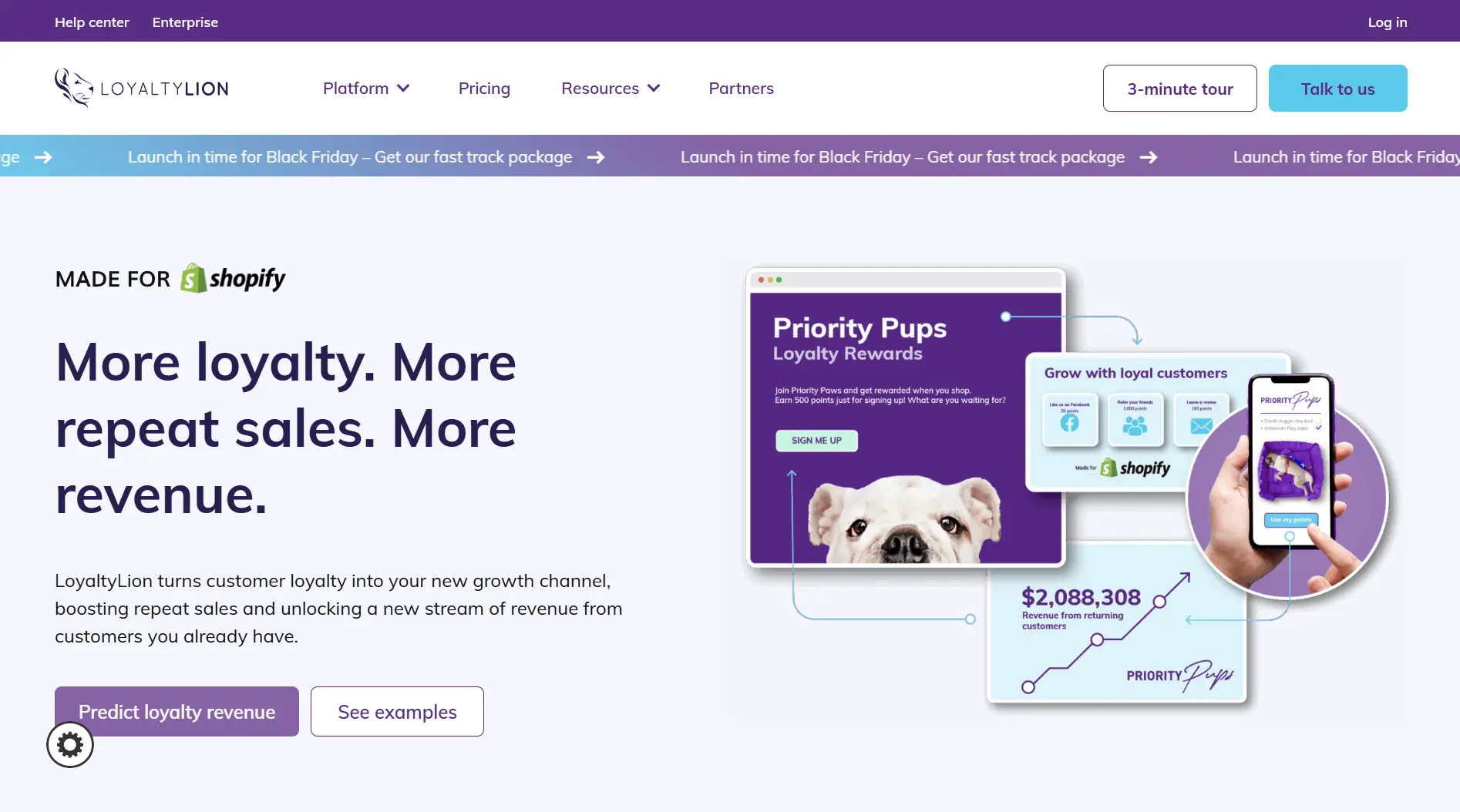
LoyaltyLion is built for brands that want more control over loyalty logic and customer segmentation. It enables teams to design detailed reward rules based on customer behavior, spend, and engagement. Rather than focusing only on basic points and referrals, LoyaltyLion emphasizes data-driven loyalty strategies that tie rewards to long-term customer value.
Key features:
Pros:
Cons:
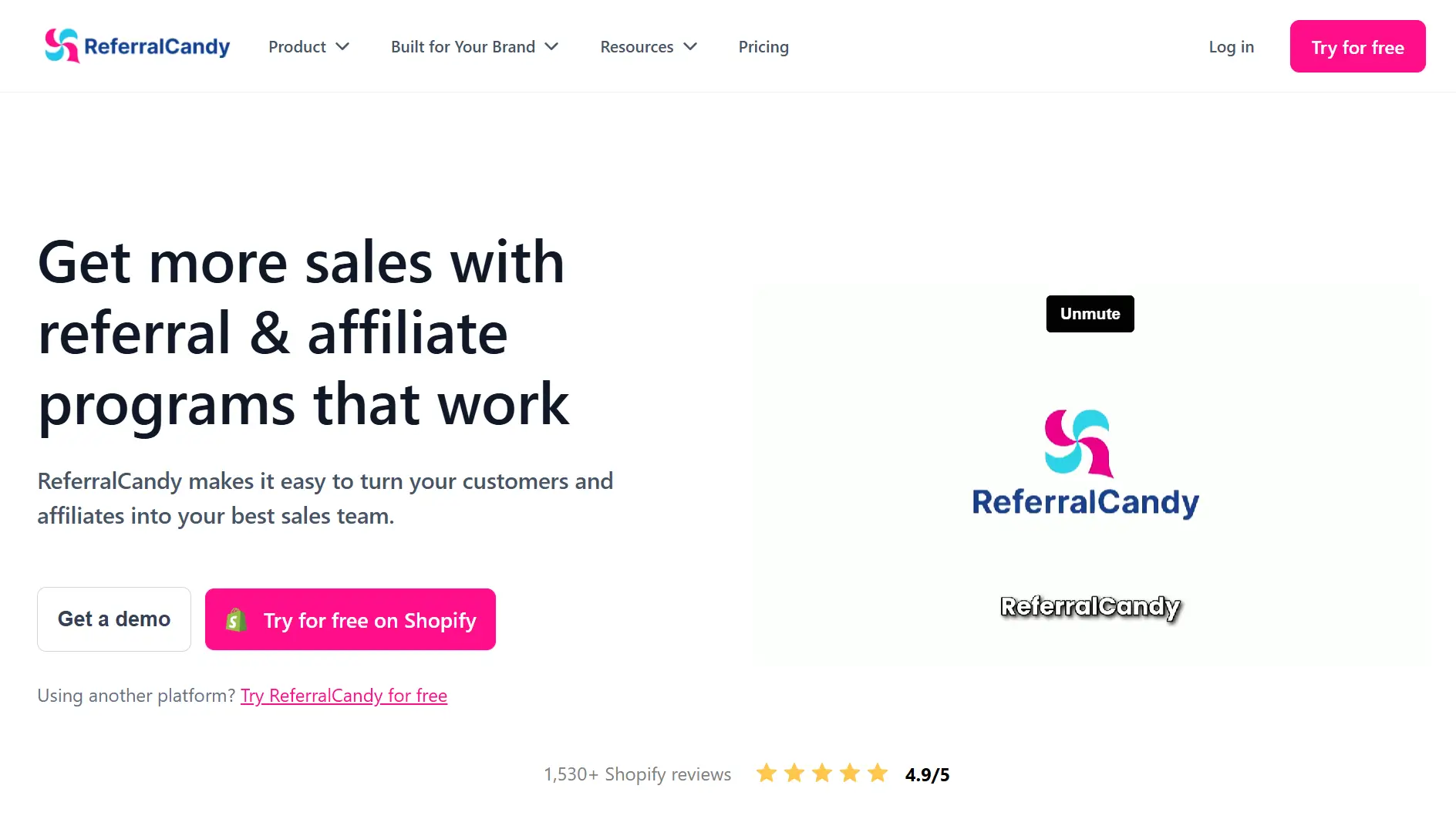
ReferralCandy specializes exclusively in referral programs for ecommerce brands. It helps businesses turn existing customers into promoters by rewarding successful referrals automatically. Instead of offering full loyalty suites, ReferralCandy focuses on referral tracking, fraud prevention, and reward automation to simplify customer-led acquisition.
Key features:
Pros:
Cons:
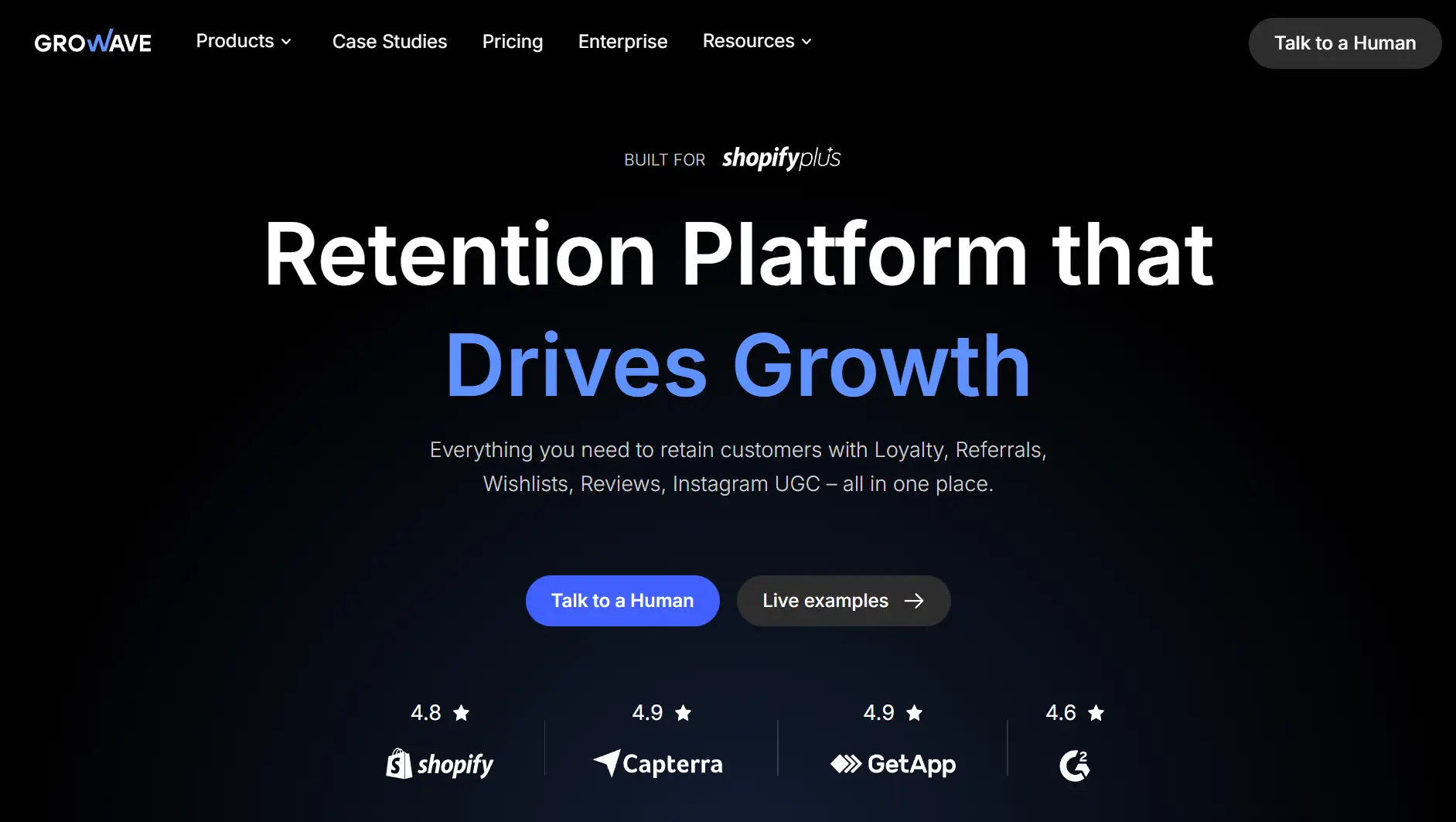
Growave is an all-in-one engagement platform that combines loyalty programs, referrals, product reviews, wishlists, and UGC into a single tool for DTC brands. Instead of using separate apps for each retention function, Growave lets brands manage multiple customer engagement features from one dashboard. It is primarily designed for ecommerce-focused brands that want basic loyalty and referral capabilities bundled with reviews and social proof features.
Key features:
Pros:
Cons:
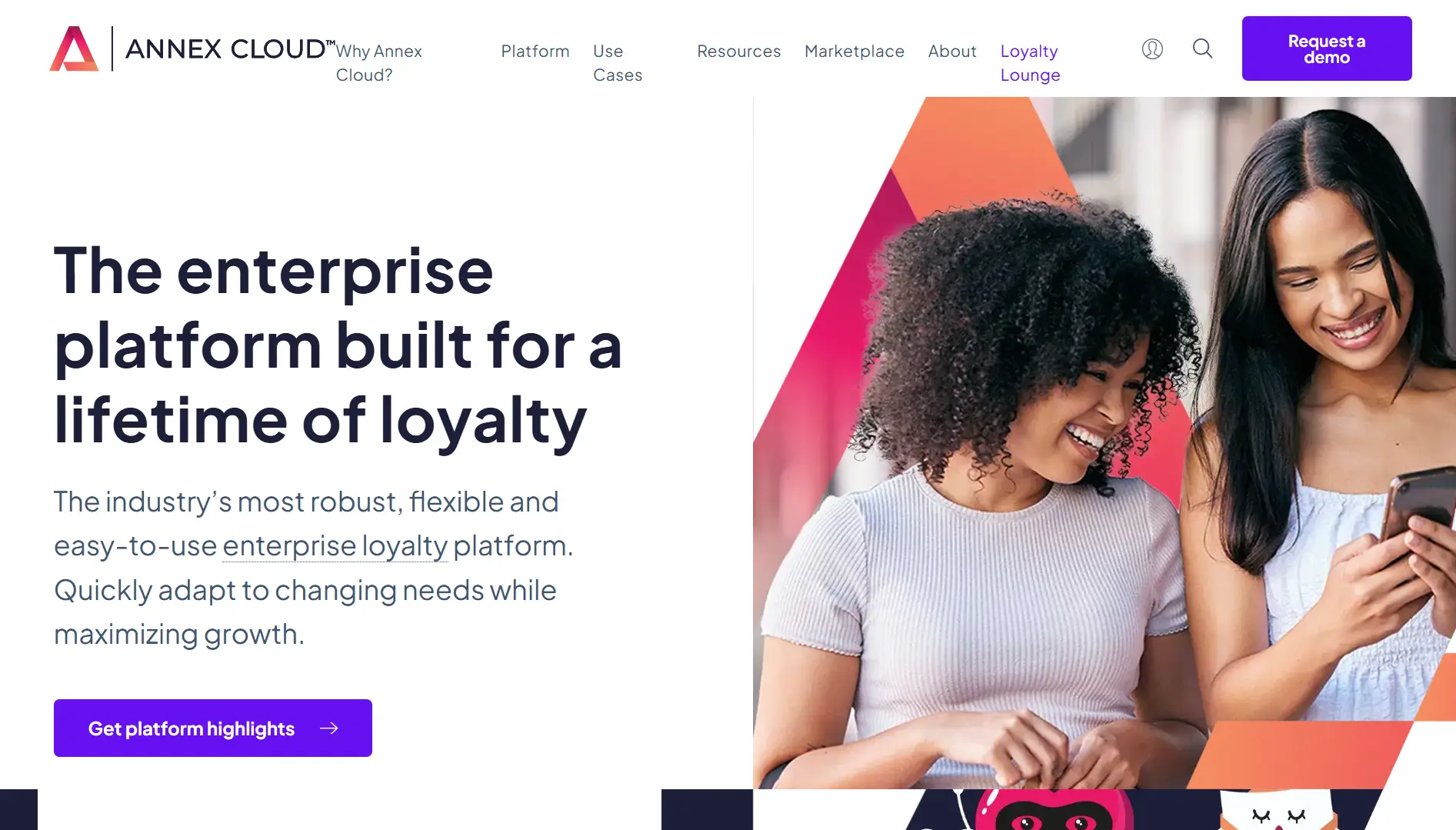
Annex Cloud is an enterprise-grade loyalty and customer engagement platform built for large DTC and retail brands with complex requirements. It supports advanced loyalty mechanics, omnichannel engagement, and deep customization across customer touchpoints. Rather than offering a plug-and-play setup, Annex Cloud focuses on highly tailored loyalty programs designed to fit enterprise workflows.
Key features:
Pros:
Cons:
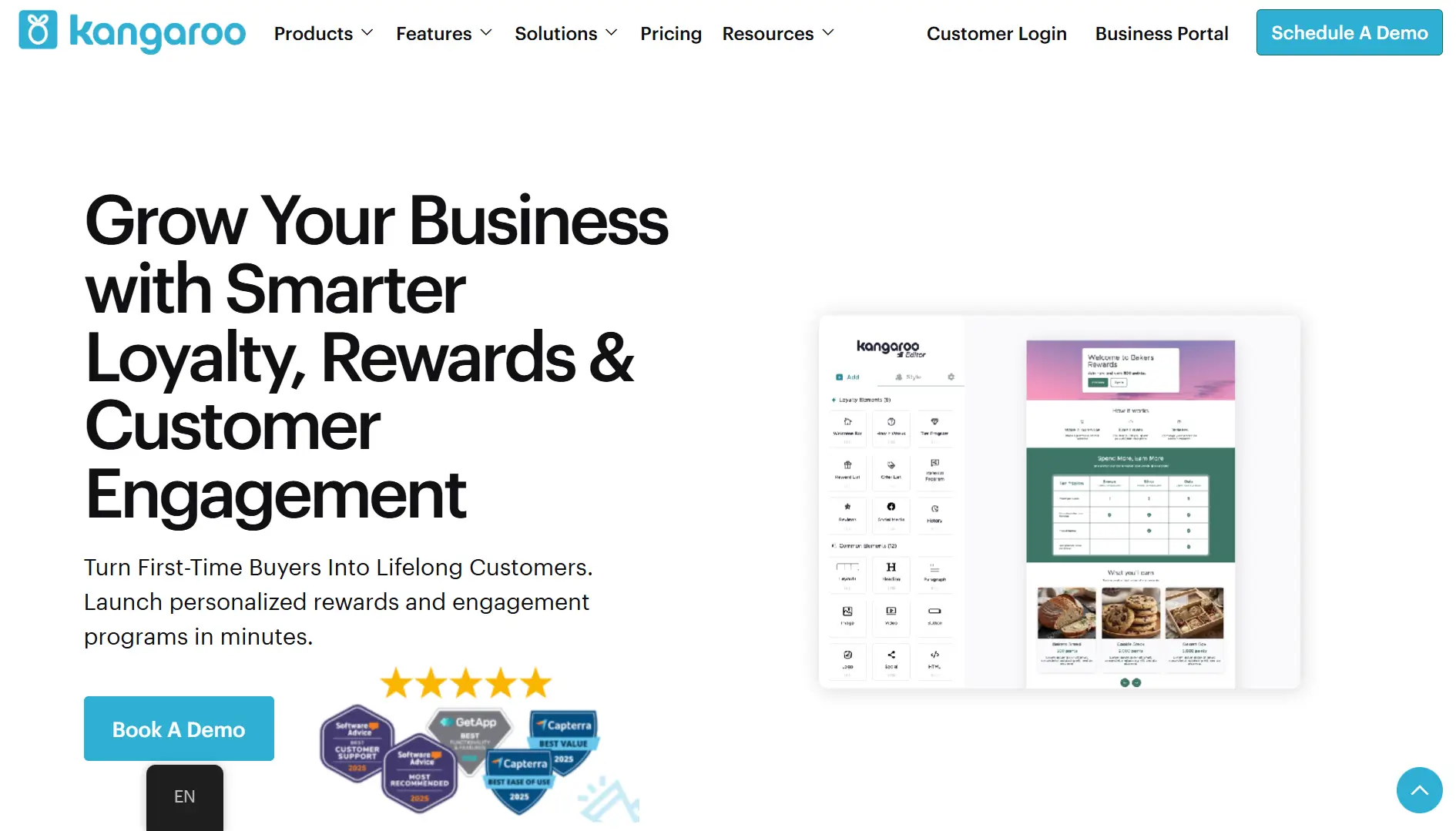
Kangaroo Rewards is a loyalty platform focused on physical retail and omnichannel businesses. It is commonly used by brands with brick-and-mortar stores that want to run in-store loyalty programs alongside basic online engagement. Kangaroo emphasizes POS integrations and in-store rewards rather than advanced ecommerce personalization.
Key features:
Pros:
Cons:
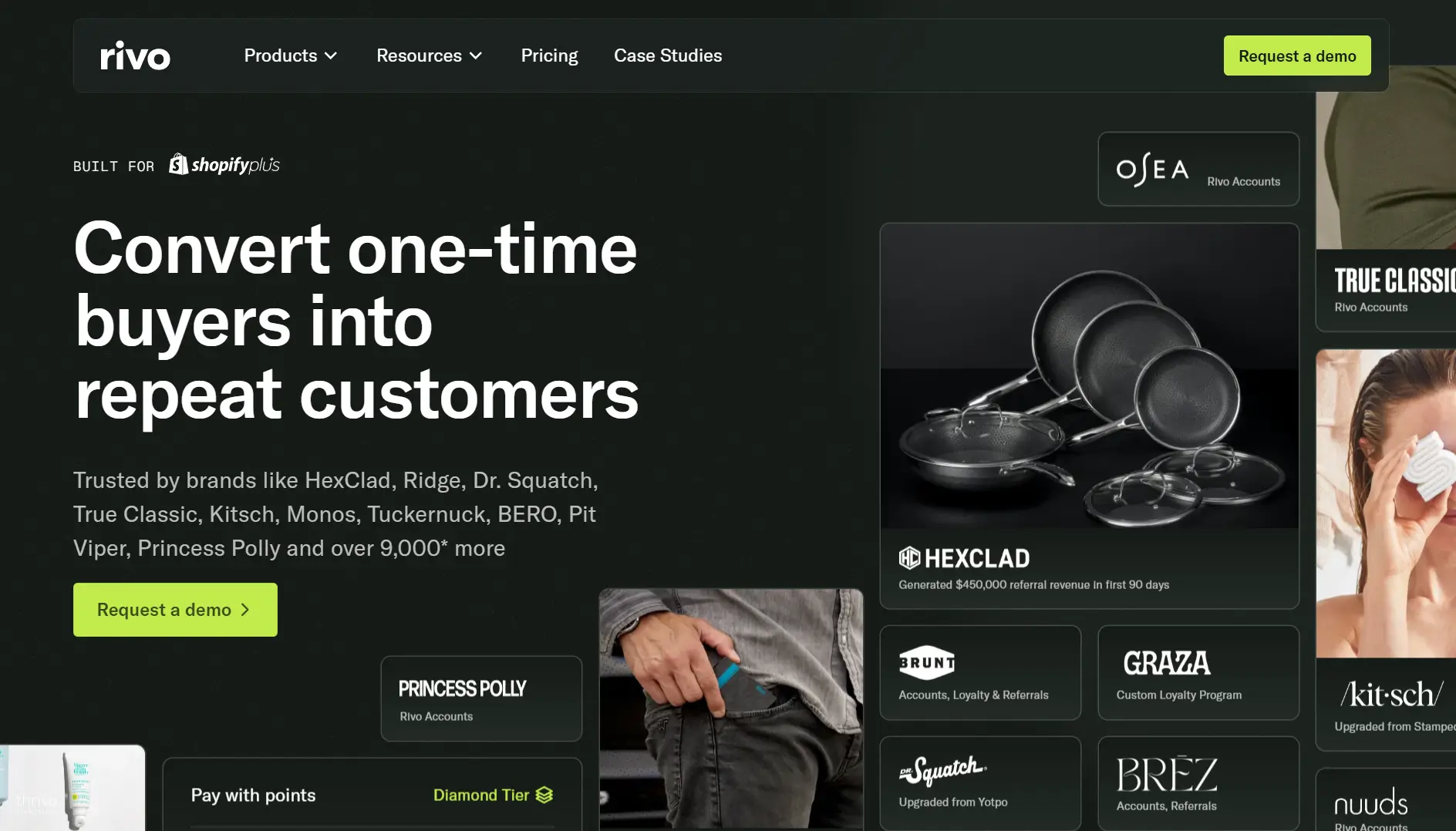
Rivo is a Shopify-focused loyalty and referral platform built for DTC brands that want to launch customer rewards quickly without complexity. Instead of offering a broad omnichannel stack, Rivo concentrates on core loyalty mechanics like points, referrals, and VIP tiers, all tightly integrated within Shopify. It’s designed to work out of the box, helping lean teams set up and manage loyalty programs without long onboarding cycles or technical dependencies.
Key features:
Pros:
Cons:
The right loyalty and referral platform in 2026 should support omnichannel commerce, offer flexible customization, scale with your growth, and deliver consistent customer experiences across every touchpoint.
While Yotpo remains a solid option for many brands, platforms like 99minds go a step further by unifying loyalty programs, referrals, gift cards, store credit, and mobile wallets into a single omnichannel system. From ecommerce to POS, everything stays connected without tool sprawl or operational complexity.