We're building the future of Agentic promotions. Sign up for early access!
Sign up
We're building the future of Agentic promotions. Sign up for early access!
Sign up Table of Contents:
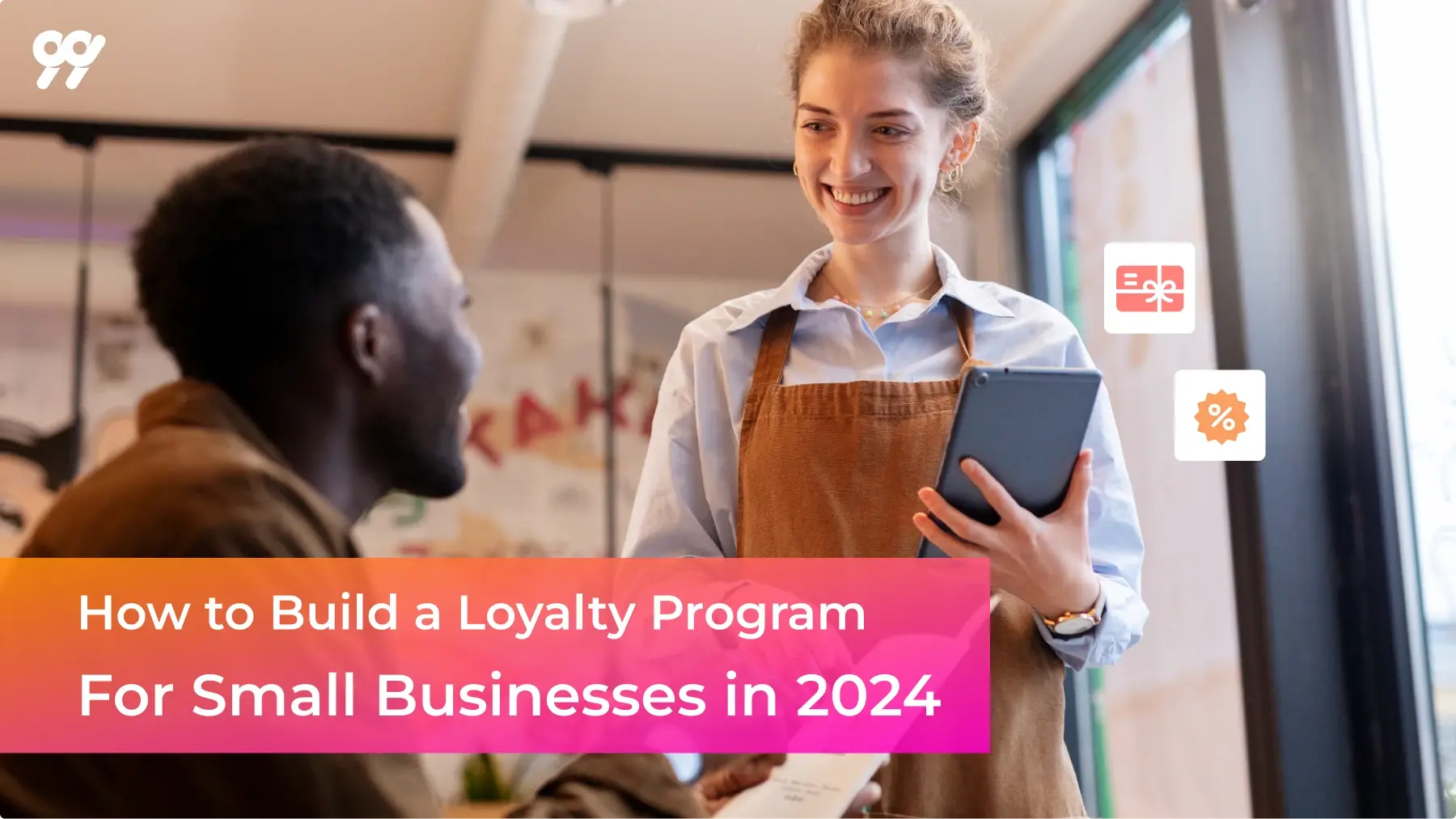
Yes, loyalty programs work for small businesses, and the research backs it up. According to Deloitte’s consumer loyalty research, 72% of consumers say loyalty programs make them more likely to spend with their preferred brand, and 56% actively increase their spending because of a program. On average, consumers enroll in eight loyalty programs but actively use five, making it critical to build one worth staying engaged with.
The challenge is that most small business owners assume loyalty programs are expensive, complicated, or only for large brands. Neither is true. In 2026, you can launch a working loyalty program for free, run it from your phone, and see results within weeks.
This guide covers everything you need: the 7 most effective program types, what it actually costs, the best free and paid tools, a step-by-step build process, and creative ideas to keep customers engaged long-term.
Yes - and the ROI is well-documented. Here are the numbers that matter:
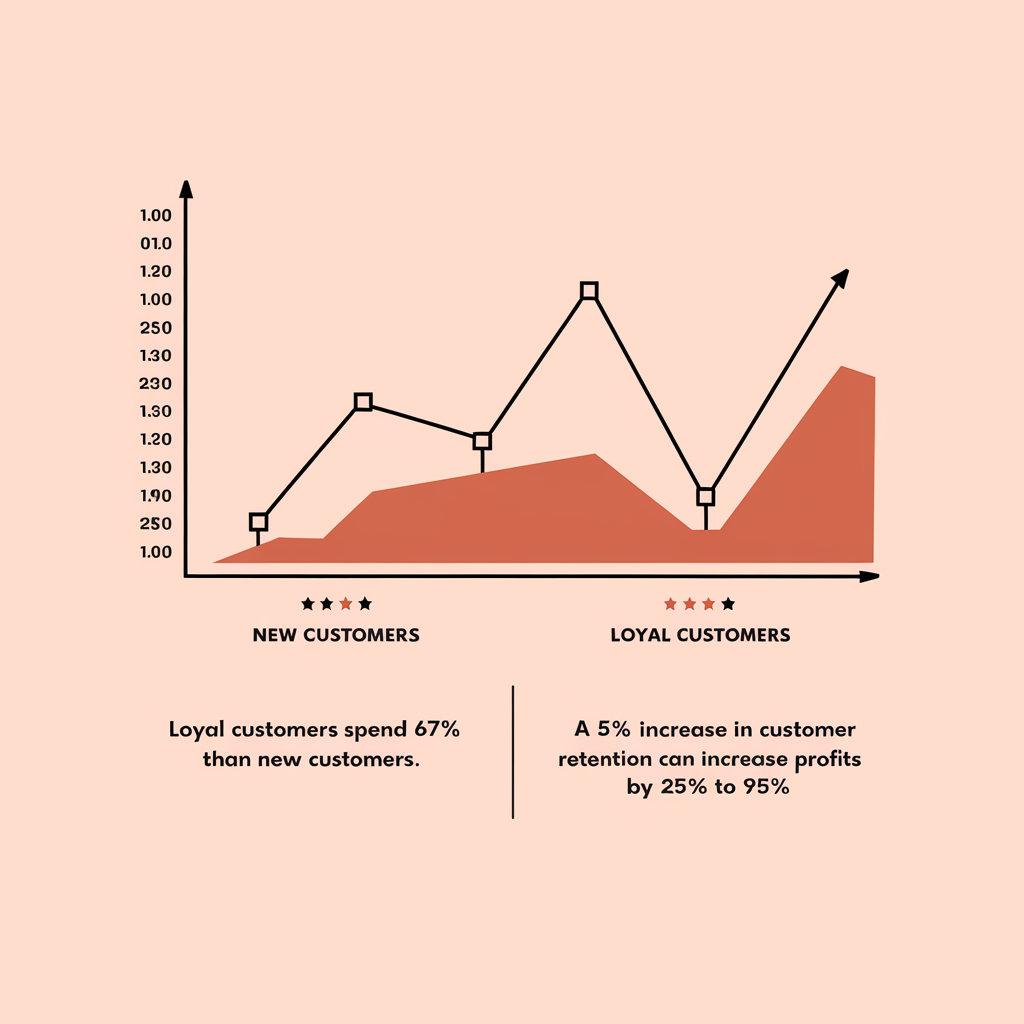
The revenue impact is measurable at any scale. According to McKinsey, top-performing loyalty programs boost revenue from customers who redeem points by 15-25% annually, driven by higher purchase frequency and larger basket sizes - not by adding new customers. That kind of lift, applied to even a modest customer base, compounds into significant annual revenue.
The concern about complexity is valid for programs that are poorly designed. A coffee shop offering a free drink after 10 purchases does not need software, a marketing team, or a big budget. The key is matching the program structure to your business model and your customers’ habits - which is exactly what this guide helps you do.
The benefits of loyalty programs go beyond discounts. Here are five ways a well-run program changes your business:
Keeping customers coming back is the single highest-ROI activity for most small businesses. A loyalty program gives customers a concrete reason to return - not just habit or proximity, but a reward they are actively working toward.
A café that offers a free drink after 10 purchases is not just rewarding the tenth visit. It is influencing the second, third, and fourth visits by giving customers a goal. That sense of progress - what behavioral economists call the “endowed progress effect” (Nunes & Dreze, Journal of Consumer Research, 2006) - is a proven driver of repeat behavior. Combine that with the 5x cost difference between acquiring versus retaining a customer, and the business case is clear.
Customers enrolled in loyalty programs spend more per transaction. When a customer knows they earn points on every dollar, they are more likely to add an item, upgrade a service, or cross-purchase from a category they normally skip.
A salon with a points-based system might offer bonus points for adding a treatment to a haircut. The customer gets closer to a reward; the business increases revenue per visit. That dynamic repeats across every transaction, compounding over time into meaningful revenue lift.
Small businesses have an advantage that large chains struggle to replicate: genuine community. A loyalty program amplifies that advantage by giving your best customers a reason to talk about you.
Referral bonuses, VIP access, early sale previews - these create stories worth sharing. Word-of-mouth marketing from a loyal customer carries more weight than any paid ad, and it costs you only the reward you were already willing to give.
Every enrollment, purchase, and redemption event generates data. Which products your loyal customers buy most. Which reward thresholds actually drive behavior. Which customer segments are at risk of churning. This is customer loyalty analytics that most small businesses never collect - and it is worth far more than the cost of the program.
A bakery that discovers its loyalty members buy gluten-free products at twice the rate of non-members can stock accordingly, promote targeted offers, and reduce waste. That is a direct bottom-line impact from data that costs nothing extra to collect.
Starbucks, Sephora, and Amazon all run sophisticated loyalty programs. Your customers interact with those programs and expect something similar. A well-designed small business loyalty program - even a simple digital punch card - signals that you take customer loyalty and retention seriously. It closes the perception gap between your boutique and the chain down the street, often at a fraction of the cost.

Choosing the right structure matters more than how generous your rewards are. Here are the 7 most effective types of loyalty programs for small businesses, with guidance on which business models each suits best.
Customers earn points for every purchase - typically a set number per dollar spent - and redeem them for discounts, free products, or store credit. Points-based programs work best for businesses with frequent, moderate-value transactions like coffee shops, pharmacies, or clothing boutiques.
The two factors that determine whether a points program succeeds: the reward must feel attainable within a reasonable timeframe (ideally under 30 days for your average customer), and the redemption value should equal at least 10% of the spending required to earn it. For example, if a customer needs to spend $50 to earn a $5 reward, that is a 10% return - a meaningful incentive without destroying your margin.
Avoid over-complicating the math. “Earn 1 point per $1, redeem 100 points for $10 off” is easy to understand and communicate at the register.
Tiered loyalty programs create an aspirational structure - customers move between levels (Bronze, Silver, Gold) by spending more, and each tier unlocks better rewards. The format works well for businesses where some customers spend significantly more than others, such as boutiques, salons, gyms, or spas.
A boutique might structure tiers like this:
The tier structure motivates your mid-range customers to spend more to reach the next level, while giving your highest-value customers a reason to stay. Pair tiers with emotional loyalty cues - handwritten thank-you notes, early product previews - to make Gold status feel genuinely exclusive.
Punch cards are the simplest loyalty format: buy 10 coffees, get 1 free. They work because the progress is visible and the reward is obvious. Physical punch cards still work for brick-and-mortar shops, but digital loyalty programs for small businesses have clear advantages over paper - customers cannot lose a digital card, you can send push notifications when they are close to a reward, and you collect email addresses during enrollment that fuel your broader marketing.
Digital stamp cards that live in a customer’s mobile wallet require no separate app download and support push notifications when a reward is close. Customers tap to earn at the point of sale, and an automated message fires when they are one stamp away from a reward. For businesses doing under 100 transactions per day, this is often the lowest-friction way to launch a loyalty program with minimal technical setup.
Referral programs reward existing customers for bringing in new ones. They are distinct from other loyalty program types because their primary job is acquisition, not retention - though a good referral program drives both. A fitness studio offering “refer a friend and both get 15% off next month” converts your most enthusiastic customers into your most effective salespeople.
Referral programs are especially powerful for service businesses where trust matters - a referred customer arrives pre-sold on your credibility. They also tend to bring in customers who match your existing audience profile, which improves long-term retention rates.
Customers pay an upfront fee - monthly or annual - in exchange for ongoing perks. This model generates immediate revenue, locks in commitment, and signals that the customer sees long-term value in your business.
A pet grooming studio charging $120/year for a VIP membership might include priority booking, two free nail trims, and 15% off all grooming. Members visit more often to get value from the membership, spend more per visit, and churn far less than non-members. Amazon Prime is the most famous example at scale - but the model translates directly to local businesses.
Coalition loyalty programs are partnerships between complementary local businesses - a café, a bookstore, and a yoga studio in the same neighborhood, for example - where customers earn and redeem points across all three. Coalition programs expand your reward network without expanding your costs, and they expose you to each partner’s existing customer base.
The setup is more complex than solo programs, but the value proposition for customers is stronger: one card, multiple businesses, faster rewards. For small businesses in walkable commercial districts or shared retail spaces, coalition programs can be a significant differentiator.
Instead of - or alongside - traditional rewards, customers earn points they can donate to a cause, or your business makes a contribution on their behalf. A bookstore might let members donate 50 points to fund a local literacy program; a sustainable fashion brand might plant a tree for every 100 points redeemed.
Value-based programs work best when the cause genuinely aligns with your brand and your customers’ values. When that alignment is real, these programs create emotional loyalty that transactional rewards cannot replicate - customers feel they are contributing to something larger than a discount.
The honest answer: anywhere from $0 to $300+ per month, depending on how many customers you have, what features you need, and whether you want the program to integrate with your existing POS or ecommerce platform.
Several platforms offer genuinely useful free tiers for businesses just starting out. These typically cover basic digital punch cards or simple points tracking for up to a few hundred customers or monthly orders, with no monthly fee. Free plans are enough to validate whether a loyalty program changes customer behavior before committing to a paid tier.
Most SaaS loyalty platforms for small businesses fall in this range. You get digital punch cards, points tracking, email notifications, and basic reporting. Suitable for businesses with under 500 active loyalty members.
99minds sits in this tier, offering multi-channel support across Shopify, BigCommerce, WooCommerce, and custom platforms, with gift cards and loyalty in one dashboard, advanced segmentation, automated email and SMS, and detailed analytics. This is the right choice once you have a customer base large enough to justify the investment and want loyalty to integrate fully with your marketing stack.
For most small businesses starting out, a free or sub-$30/month plan is enough to test the model, build your member base, and measure whether loyalty is driving repeat purchases - before committing to a higher-tier platform.

Start with a specific objective, not a vague intention. “I want more repeat customers” is not a goal - “I want to increase 90-day repeat purchase rate from 22% to 35% within 6 months” is. Your goal determines everything downstream: the program type, the reward structure, the metrics you track.
Common goals for small businesses:
Before choosing a program type, answer three questions: How often do your customers buy? What is the average transaction value? What reward would genuinely change their behavior?
A customer who visits your café twice a week responds very differently to a punch card than a customer who buys from your boutique twice a year. A punch card with a 10-visit threshold is motivating for a daily habit; it is meaningless for a seasonal shopper who needs a tiered annual spend structure instead. Match the program mechanics to actual purchase behavior, not what you assume your customers want.
Use the 7 types outlined above as a decision framework:
Complicated loyalty programs fail. If a customer cannot explain how your program works in two sentences, the rules are too complex. Define: how customers earn, what they earn toward, when rewards expire, and how they redeem. Put this on a single card, on your website, and at the register.
Example of a simple rule set: “Earn 1 point per $1 spent. Reach 100 points and get $10 off your next purchase. Points expire after 12 months.” That is it. Resist the urge to add exceptions, multipliers, and bonus categories until you have the basics working.
Your technology choice should match your setup - POS-based, ecommerce, or mobile-first. Key considerations:
99minds handles multi-channel loyalty across Shopify, BigCommerce, WooCommerce, and custom platforms - with gift cards and loyalty in a single dashboard, automated notifications, and detailed analytics. For ecommerce brands especially, having loyalty and gift cards in one tool eliminates integration complexity.
A loyalty program that customers forget about is a loyalty program that does not work. Set up at least three automated touchpoints:
Keep communication frequency low. One to two messages per month is enough for most customers. More than that and loyalty emails become noise - which hurts both open rates and brand perception.
The best-designed loyalty program fails if no one knows about it. Promote across:
Train every staff member to mention the program at checkout. A simple “Are you in our loyalty program? You would have earned [X] points on this purchase” at the register is the highest-converting enrollment moment you have.
Track four metrics from day one:
Review these quarterly. If enrollment is low, the signup process has friction. If redemption is low, the reward is not compelling enough or the threshold is too far out. If repeat purchase rate is flat, the program mechanics are not influencing behavior. Adjust one variable at a time and give changes 60-90 days before drawing conclusions.
The 4 C’s framework describes the four stages of building lasting customer loyalty - it helps small business owners think beyond the transactional layer of a program and into the relationship layer.
Standard punch cards and points systems work - but these ideas give you an edge when competitors are running the same basics.
Designate one or two days per week as double or triple points days. This tactic drives traffic during your slow periods and gives customers a reason to plan their visits. A bakery that runs double points every Tuesday morning fills its quietest slot and builds a habit around it. Promote the day via SMS or email the evening before - “Tomorrow is Double Points Tuesday at [business name]. Come in before 11am.”
Collect birth months during enrollment - not full birthdates - and send a reward 3-5 days before the month starts. Give customers a choice of reward (free item, discount, or store credit) to make it feel personal rather than automated. An anniversary reward - marking the date a customer first purchased or enrolled - is even more powerful because it is specific to their relationship with your business.
Time-limited challenges with a milestone reward drive bursts of engagement. A fitness studio might run “Attend 12 classes in 30 days and earn a free month.” A restaurant might offer a bonus reward for trying 5 different menu items in a quarter. Gamification in loyalty programs works because it introduces novelty - the standard earn-and-redeem cycle is predictable; a challenge creates urgency and a story worth sharing.
Give your top-tier members first access to new products, limited editions, or sale previews. Hosting a private shopping night for Gold-tier members costs almost nothing but signals that their loyalty earns them something no one else gets. This is one of the most powerful forms of personalizing the loyalty experience - exclusivity is a benefit that cannot be purchased, only earned.
Use the data your program collects to send targeted offers. A bookstore customer who consistently buys thrillers should receive a discount on the latest thriller release, not a generic 10% off coupon. A frequent buyer of one product category should get a “try something new” incentive for a related category with a first-purchase bonus. Personalized loyalty rewards have significantly higher redemption rates than generic offers - and they signal to customers that you are paying attention.
The right platform depends on your business type, existing tech stack, and budget. Here is a practical breakdown:
When evaluating loyalty software for your small business, prioritize these four criteria:
99minds covers all four. It combines loyalty, gift cards, and referral programs in one platform with native integrations for Shopify, BigCommerce, WooCommerce, and custom builds. Automated notifications, tiered reward structures, advanced segmentation, and detailed analytics are all included - no need to stitch together multiple tools. For businesses that want loyalty and promotions managed in one place, it is the most complete option available.
For a deeper look at platform options, see our guide to the best ecommerce loyalty platforms and the best Shopify loyalty apps.
A loyalty program for small businesses is not a marketing add-on - it is one of the highest-return investments you can make in your customer relationships. The businesses that win on loyalty in 2026 are not necessarily the ones with the most sophisticated technology. They are the ones with clear goals, simple rules, consistent execution, and a genuine understanding of what their customers value.
Start with the simplest version that addresses your biggest retention gap. Measure it. Improve it. Then layer in personalization, automation, and new program types as your member base grows.
If you are ready to launch - or ready to replace a program that is not delivering - 99minds gives you loyalty, gift cards, and referral programs in one platform, built for the way small and mid-size businesses actually operate.