We're building the future of agentic promotions. Sign up for early access!
Sign up
We're building the future of agentic promotions. Sign up for early access!
Sign up 
Halloween is no longer just a one-day celebration. For ecommerce and retail brands, it has become a seasonal shopping window for costumes, beauty products, food, home décor, gifts, limited-edition products, and experiences.
For 2026, brands can use Halloween to do more than offer a temporary discount. The strongest campaigns can combine promotions with loyalty, referrals, gift cards, store credit, personalization, and omnichannel engagement.
Here are 15 Halloween promotion and marketing ideas backed by real-world brand examples.
BOGO, or buy-one-get-one, promotions can make Halloween shopping feel more rewarding without requiring a large percentage discount across the entire store. They work particularly well for products customers naturally buy in multiples, such as candy, beauty products, accessories, drinks, party supplies, or small gifts. A Halloween BOGO offer can also be limited to selected products, which gives merchants more control over margins while still creating a strong promotional message.
Target regularly uses BOGO mechanics in its promotional assortment, including Halloween-related deals. Its Halloween deals section has featured buy-one-get-one offers on selected products.
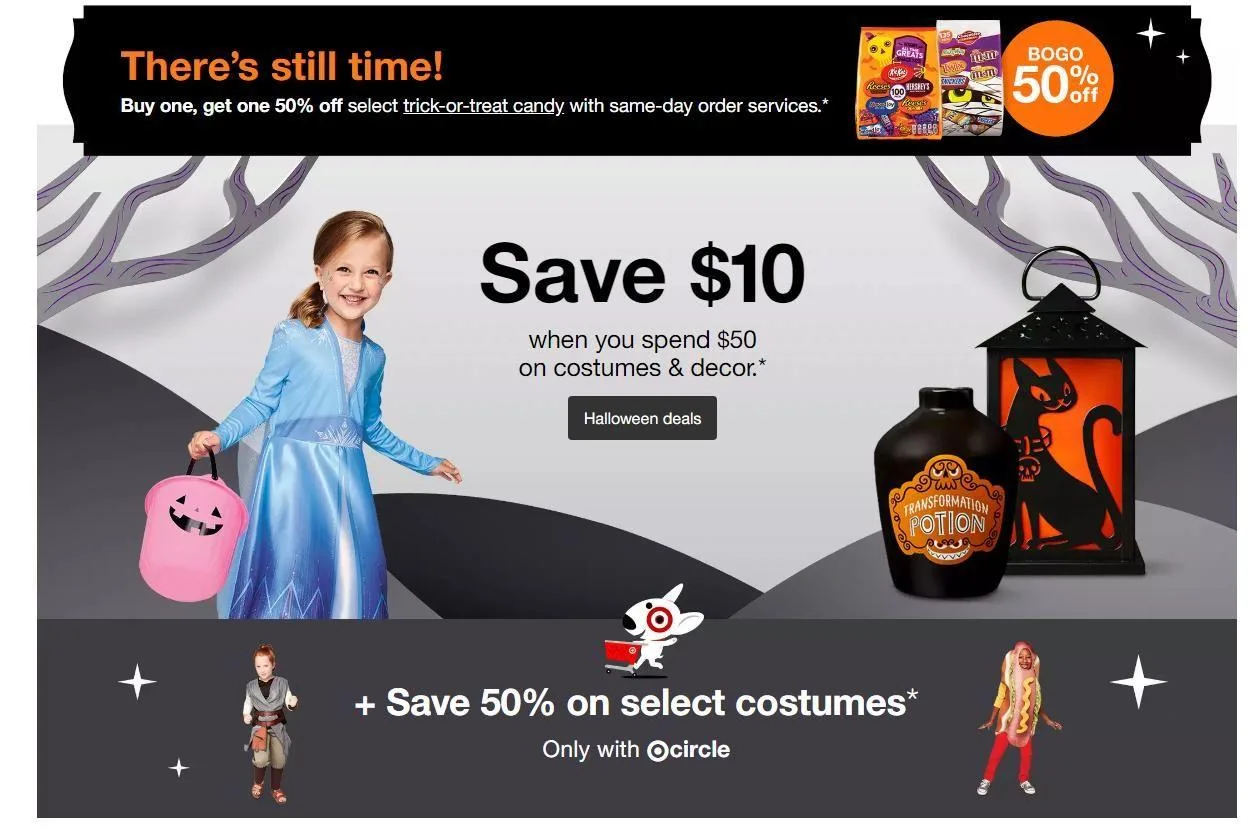
For Halloween, an ecommerce brand could use a similar structure such as “Buy One Halloween Gift Set, Get the Second 50% Off” or “Buy Two Halloween Accessories, Get One Free.”
Halloween bundles increase the value of an order by combining complementary products into one themed purchase. Instead of asking shoppers to discover every product individually, a bundle can package everything needed for a specific Halloween occasion, such as a party, costume, movie night, trick-or-treating, or gifting. Bundles are particularly useful when brands want to increase average order value while giving customers a simple reason to purchase multiple products together.
Krispy Kreme has used Halloween-specific bundles as part of its seasonal product strategy. Its 2026 Looney Tunes Halloween collection includes a Halloween Specialty Dozen combined with an Original Glazed Dozen, as well as a Specialty Dozens to Share Bundle.
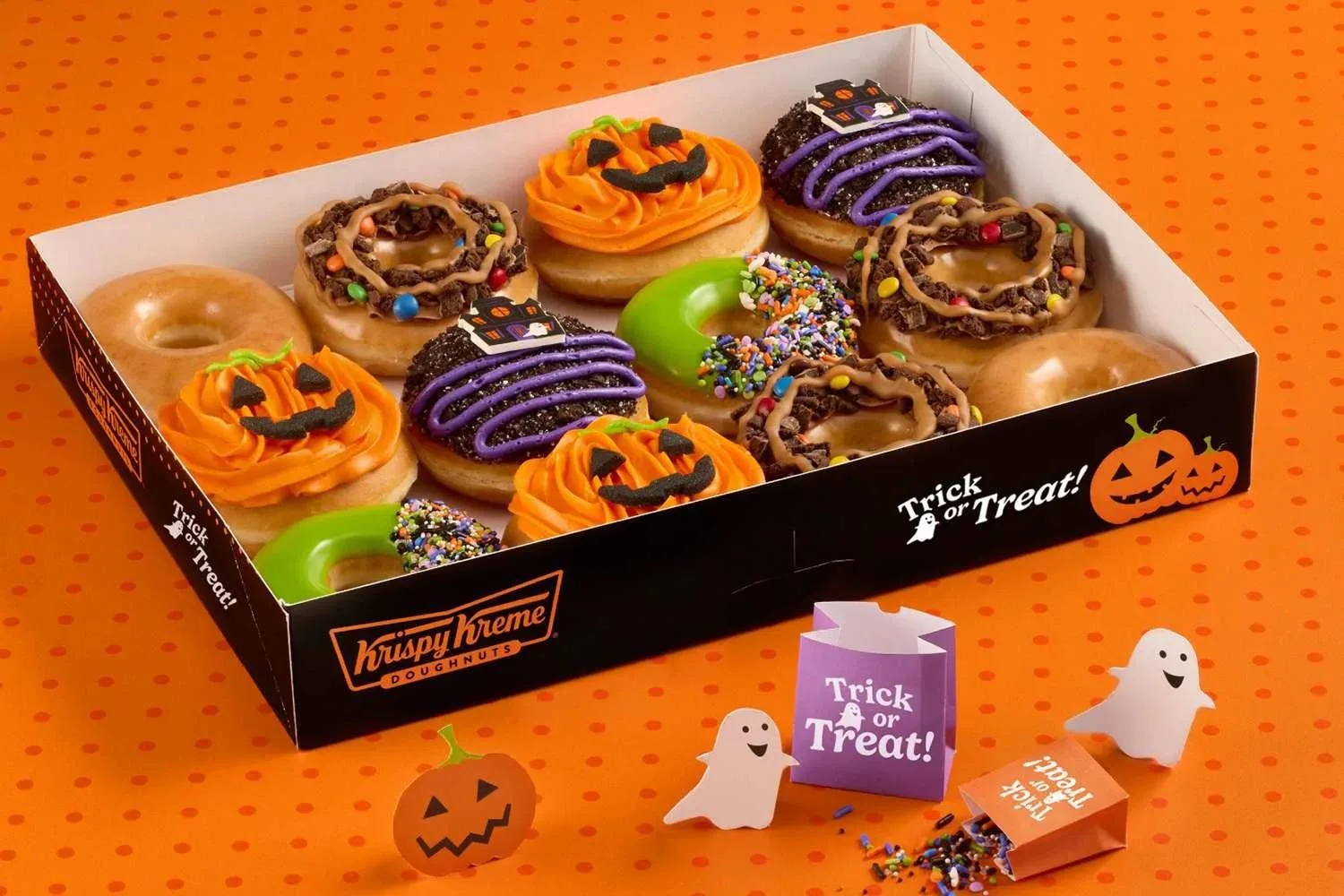
The same merchandising approach can be adapted by ecommerce brands selling beauty, apparel, food, accessories, or party products.
Gift cards give Halloween campaigns a second revenue opportunity because they can generate sales even when the recipient is not the person making the original purchase. A Halloween gift card promotion can be positioned around gifting, parties, employee rewards, or seasonal shopping. Instead of simply discounting the gift card itself, brands can add a bonus incentive to encourage customers to purchase higher-value cards.
Starbucks has repeatedly used promotional gift-card mechanics where customers who purchase a qualifying eGift receive an additional promotional eGift. In a May 2026 offer, customers purchasing a Starbucks eGift of $25 or more could receive a $5 promotional eGift, subject to the offer terms and availability.
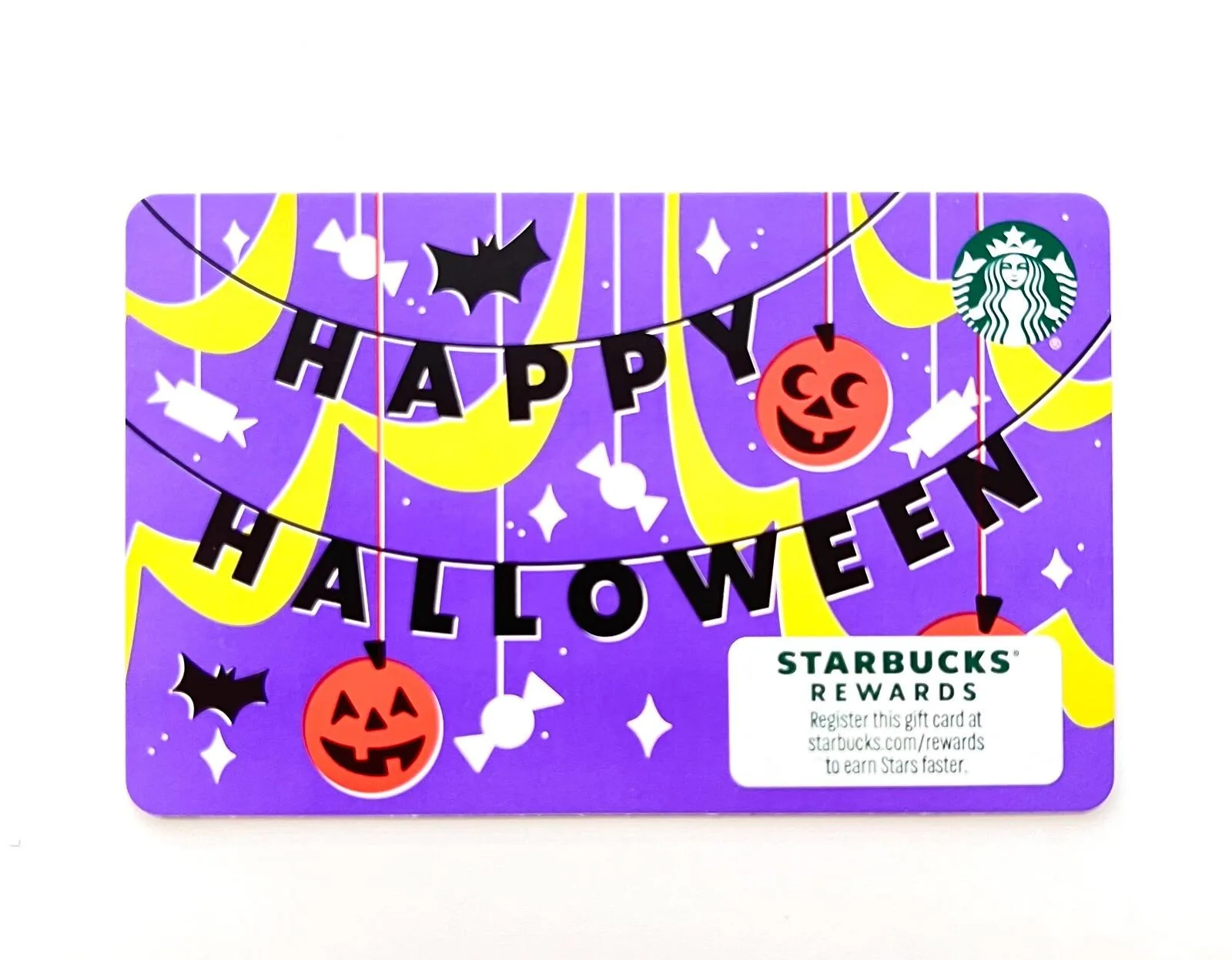
For Halloween, a brand could adapt this mechanic as “Buy a $50 Halloween Gift Card, Get a $10 Bonus Gift Card.”
A Halloween promotion does not always need to reduce the product price. Giving customers additional loyalty rewards can create a stronger connection between the seasonal purchase and the next purchase. A brand can offer bonus points on selected Halloween products, a multiplier for purchases during a specific period, or an extra reward after reaching a spending threshold. This approach can encourage repeat purchasing while protecting the headline price of products.
Target Circle uses personalized bonuses that allow members to earn additional Target Circle Rewards or receive extra savings. Some of these bonuses reward members for reaching a spending threshold or completing specific actions, such as using Drive Up or Order Pickup.
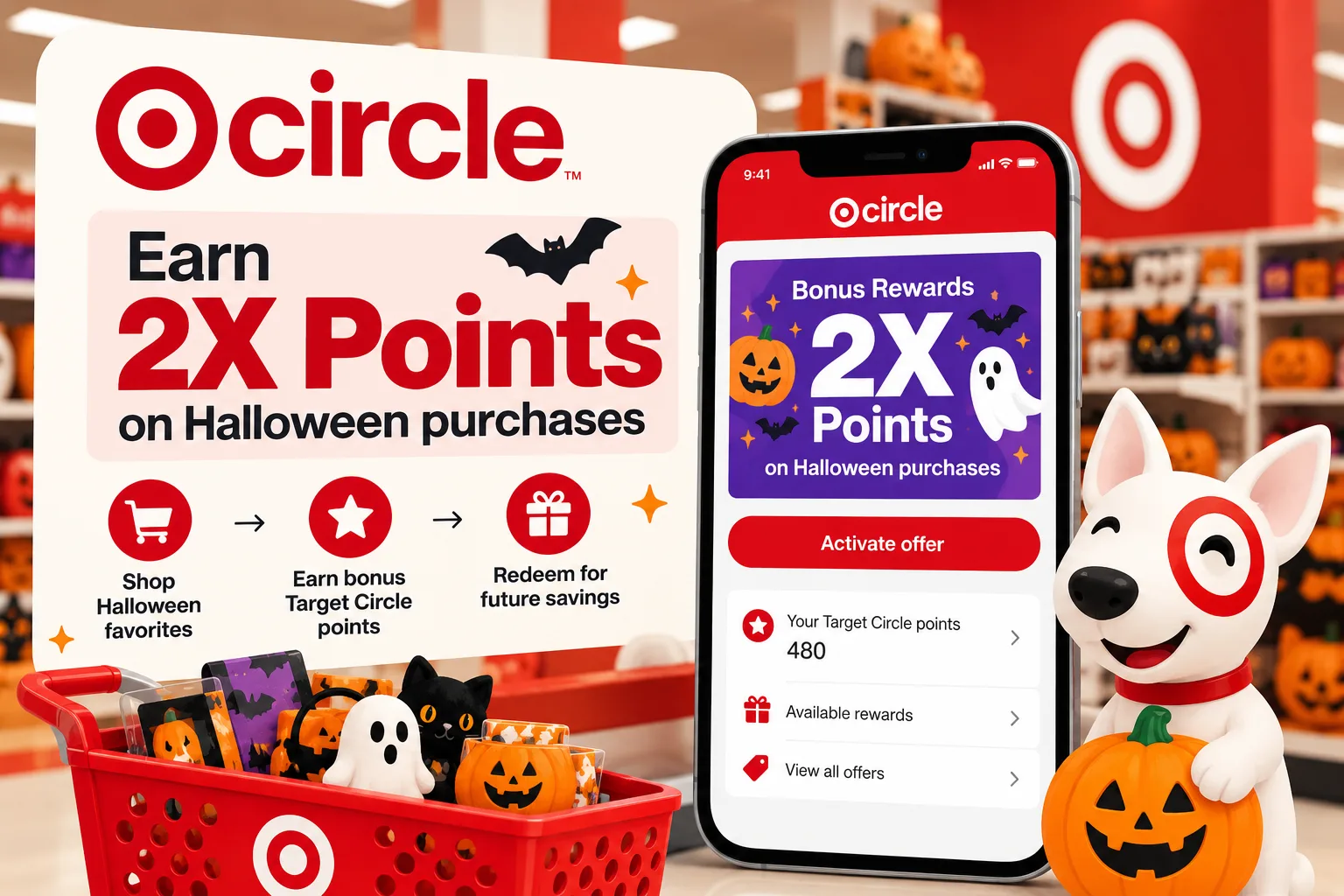
For Halloween, a brand could offer “2X Points on All Halloween Purchases” or “Spend $75 on Halloween Products and Earn 500 Bonus Points.”
Halloween naturally creates opportunities for social sharing because customers often shop for parties, costumes, group events, and gifts. A referral promotion can turn that social behavior into customer acquisition. Instead of simply asking customers to share a Halloween campaign, brands can give both the existing customer and the referred shopper a reward when the referral results in a qualifying purchase.
Sephora has used referral mechanics within its Beauty Insider program. During its fall 2025 Savings Event, Rouge members could invite a friend to receive an exclusive one-time 20% discount on a single purchase.
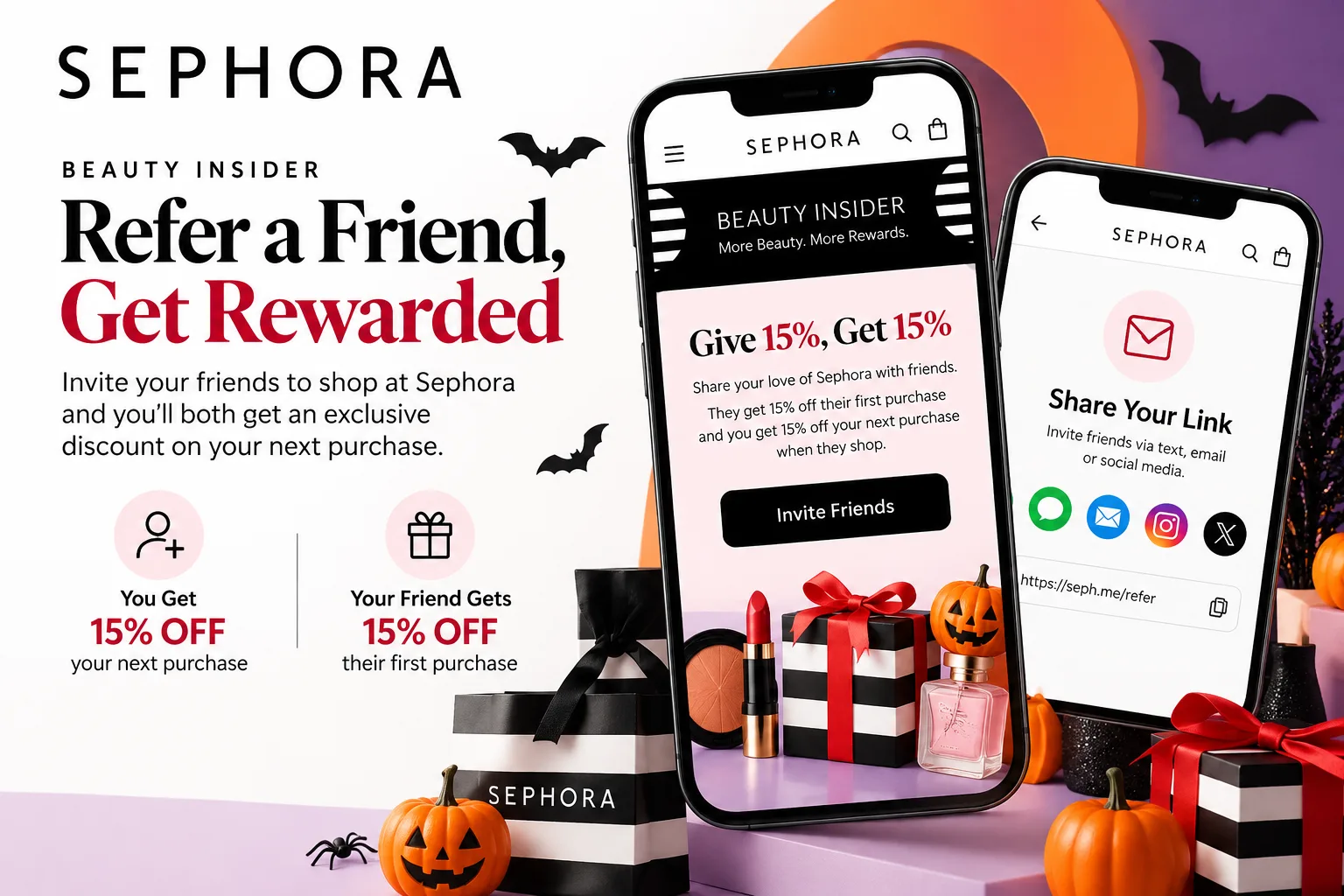
A Halloween campaign could adapt this structure by offering “Give 15%, Get 15%” or giving the referrer bonus loyalty points after the referred customer completes a Halloween purchase.
Limited-edition products use scarcity to give customers a reason to shop during a specific seasonal window. Halloween is particularly suited to this strategy because consumers already expect seasonal packaging, flavors, colors, designs, and collections. The product itself becomes part of the marketing campaign, which means the brand does not have to rely entirely on price discounts to create urgency.
Krispy Kreme has repeatedly launched limited-time Halloween doughnut collections. Its 2025 Halloween Trick or Treat collection featured Halloween-themed doughnuts and was available only for a limited time in October at participating U.S. shops.
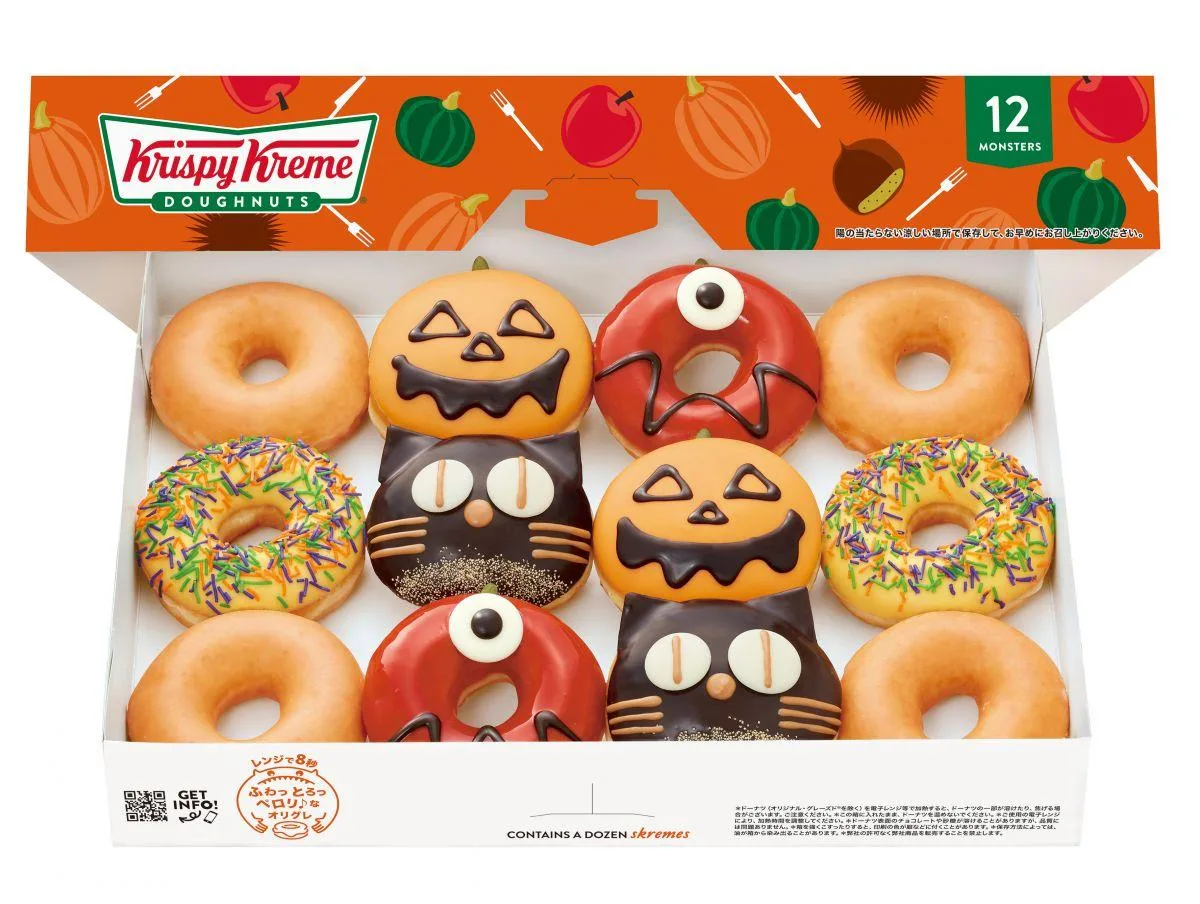
For 2026, Krispy Kreme is again introducing a Halloween collection with Looney Tunes characters, available from October 6 to October 31 at participating U.S. and Canadian shops, reinforcing the limited seasonal product-drop model.
Halloween shoppers do not all need to receive the same promotion at the same time. Giving high-value or loyal customers early access can make the campaign feel exclusive while allowing brands to reward customers who already have a relationship with the business. Early access can be applied to Halloween collections, limited-edition products, special discounts, gift-card bonuses, or promotional bundles.
Sephora’s Beauty Insider program uses tier-based early access during major promotional events. During its fall 2025 Savings Event, Rouge members got early access before VIB and Insider members, and each tier received a different discount: 20% for Rouge, 15% for VIB, and 10% for Insider.
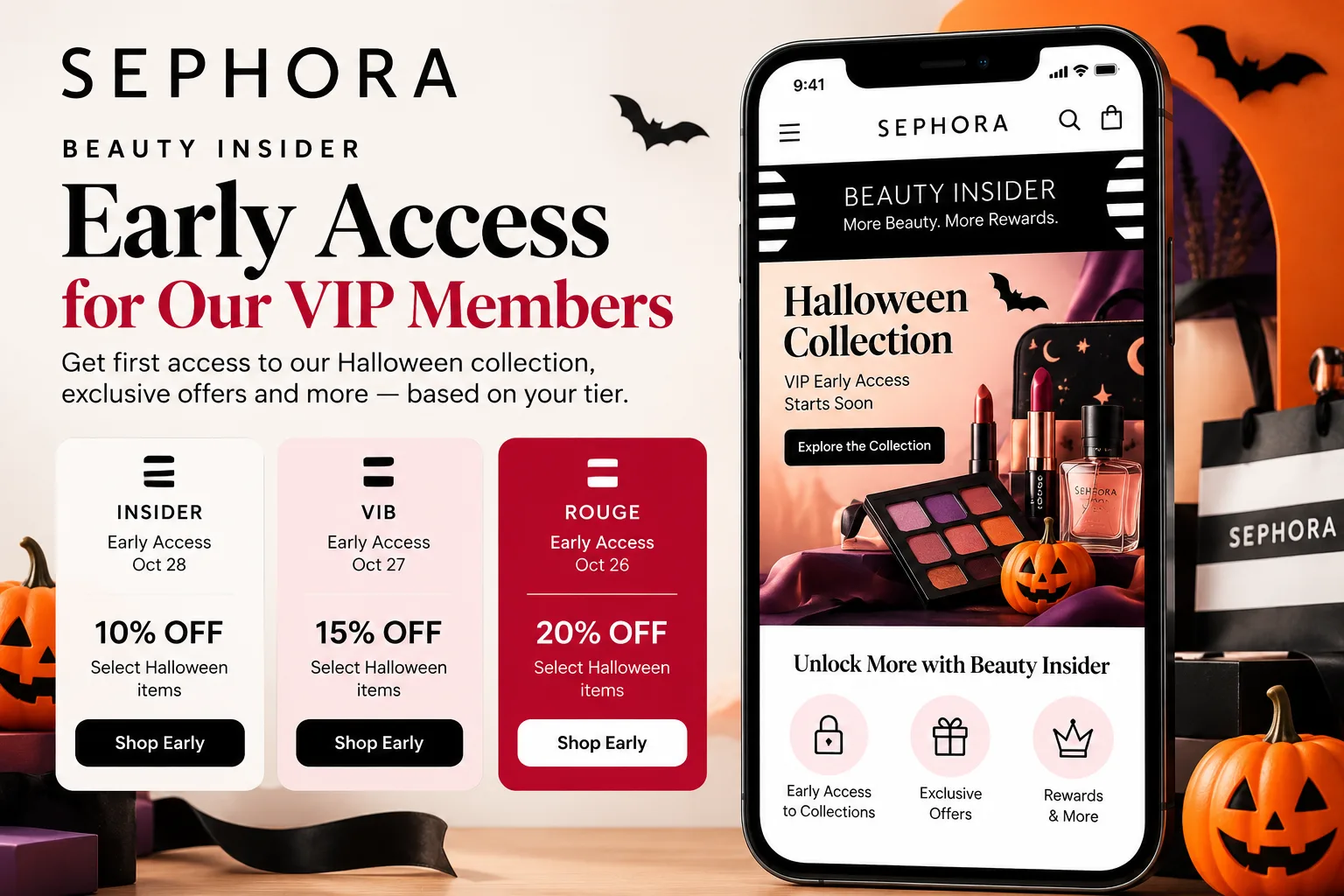
The same principle can be adapted for Halloween: VIP customers could receive 48-hour early access to a Halloween collection before the offer becomes available to the broader customer base.
User-generated content can turn Halloween customers into part of the campaign itself. Costumes, makeup looks, decorations, themed food, and Halloween parties all create visual content that customers can naturally share. A UGC campaign can ask customers to post their Halloween experience, tag the brand, or participate in a branded hashtag in exchange for a reward or entry into a promotion.
Chipotle’s annual “Boorito” Halloween campaign has included a Halloween costume contest built around user-generated content. In its 2018 contest, customers posted costume photos taken at Chipotle on Instagram and tagged @Chipotle for a chance to win a year of free burritos, connecting an in-store Halloween promotion with social participation.
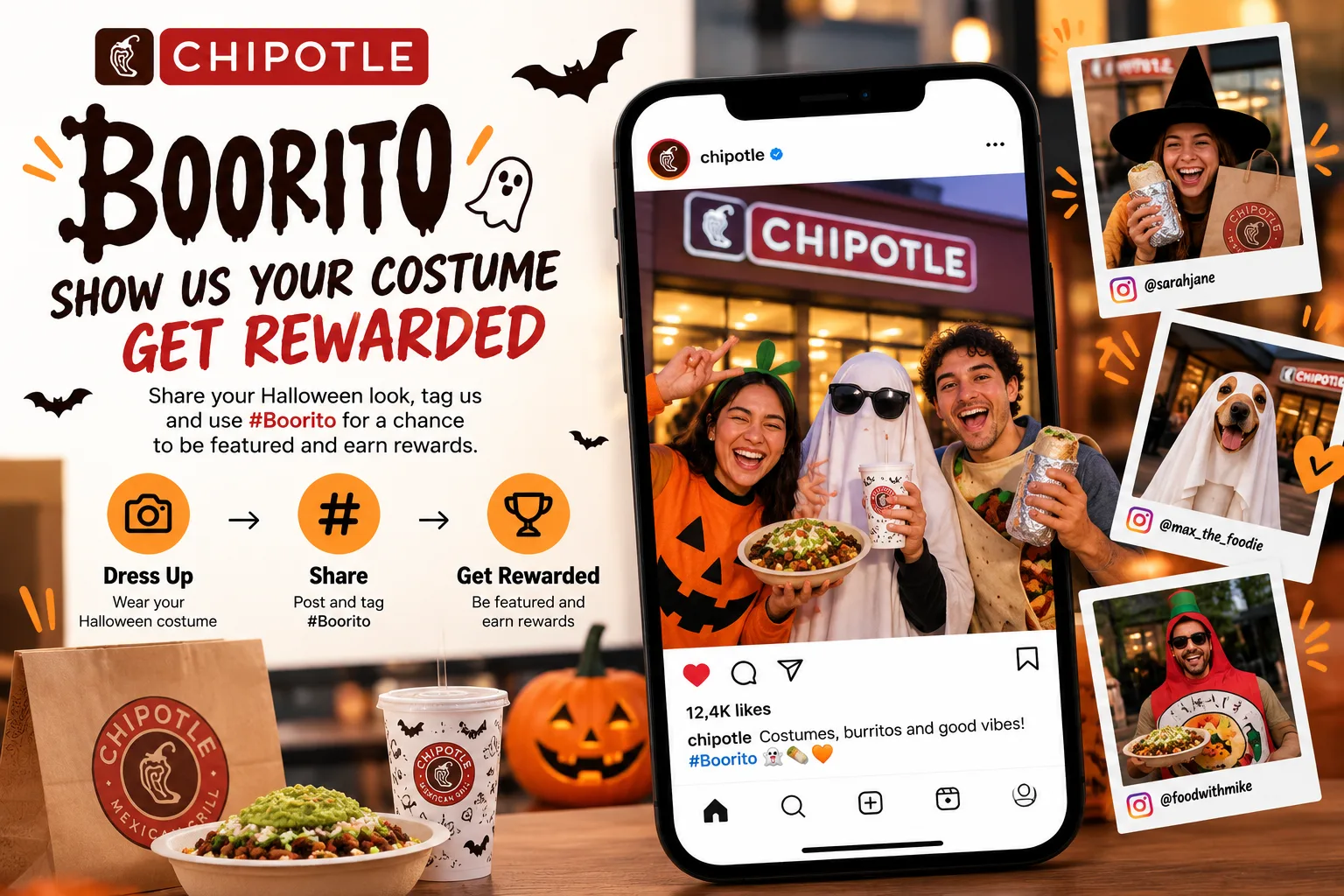
Illustrative mockup. The actual 2018 contest asked customers to tag @Chipotle on Instagram.
The campaign demonstrates how a seasonal promotion can extend beyond the transaction and encourage customers to create content around the brand.
Personalization allows brands to avoid sending the same Halloween promotion to every customer. A shopper who regularly buys beauty products may respond to a Halloween beauty offer, while another customer may be more interested in gifts, food, apparel, or home décor. Segmenting Halloween promotions based on previous purchases, loyalty status, spending behavior, or product interests can make the promotion more relevant and reduce unnecessary discounting.
Target Circle uses personalized bonuses that can provide individual members with different offers based on their account and shopping activity. Members can access personalized bonuses through their Target Circle account and activate qualifying offers.
For Halloween, an ecommerce brand could create separate offers for high-value customers, previous category buyers, inactive customers, and customers who have recently browsed Halloween products.
Flash sales add a short time window to a seasonal promotion, giving customers a clear reason to act now instead of postponing the purchase. Halloween flash sales can run for a few hours, one day, or a specific weekend. Brands can also rotate the products included in each flash sale, creating multiple shopping moments throughout October instead of relying on a single promotion.
Target’s seasonal Halloween merchandising strategy combines Halloween products with time-bound promotional events and category discounts. During its October 2025 Circle Week, for example, Target offered 40% off Halloween costumes for a limited time.
A DTC brand can use the same principle at a smaller scale by running “24-Hour Halloween Flash Sale” promotions on selected collections.
Gamification can make a Halloween promotion more interactive than a standard discount code. Instead of immediately revealing the offer, brands can ask customers to complete a simple action such as scratching a card, unlocking a mystery reward, completing a challenge, or reaching a purchase milestone. The Halloween theme naturally supports these mechanics because customers are already familiar with concepts such as trick-or-treating, mystery rewards, and surprise gifts.
Sephora launched Beauty Insider Challenges in 2023. Members opt in through the app or website, complete tasks such as buying online for store pickup or signing up for texts, and earn bonus points for each completed task.
For Halloween, the mechanic can become a “Trick or Treat” digital experience where customers reveal a reward such as 10% off, free shipping, bonus points, or a gift with purchase.
Halloween promotions can become more effective when customers encounter the same campaign across multiple shopping channels. A shopper might discover a promotion on social media, browse products on a website, receive a reminder by email or SMS, and complete the purchase in a physical store. An omnichannel Halloween campaign connects these interactions instead of treating every channel as a separate promotion.
Mars Wrigley and Target ran a Halloween campaign that connected digital and physical retail experiences. The campaign included social, digital video, digital display, in-store experiences, product displays, samples, and QR codes that connected shoppers back to the brand’s online presence.
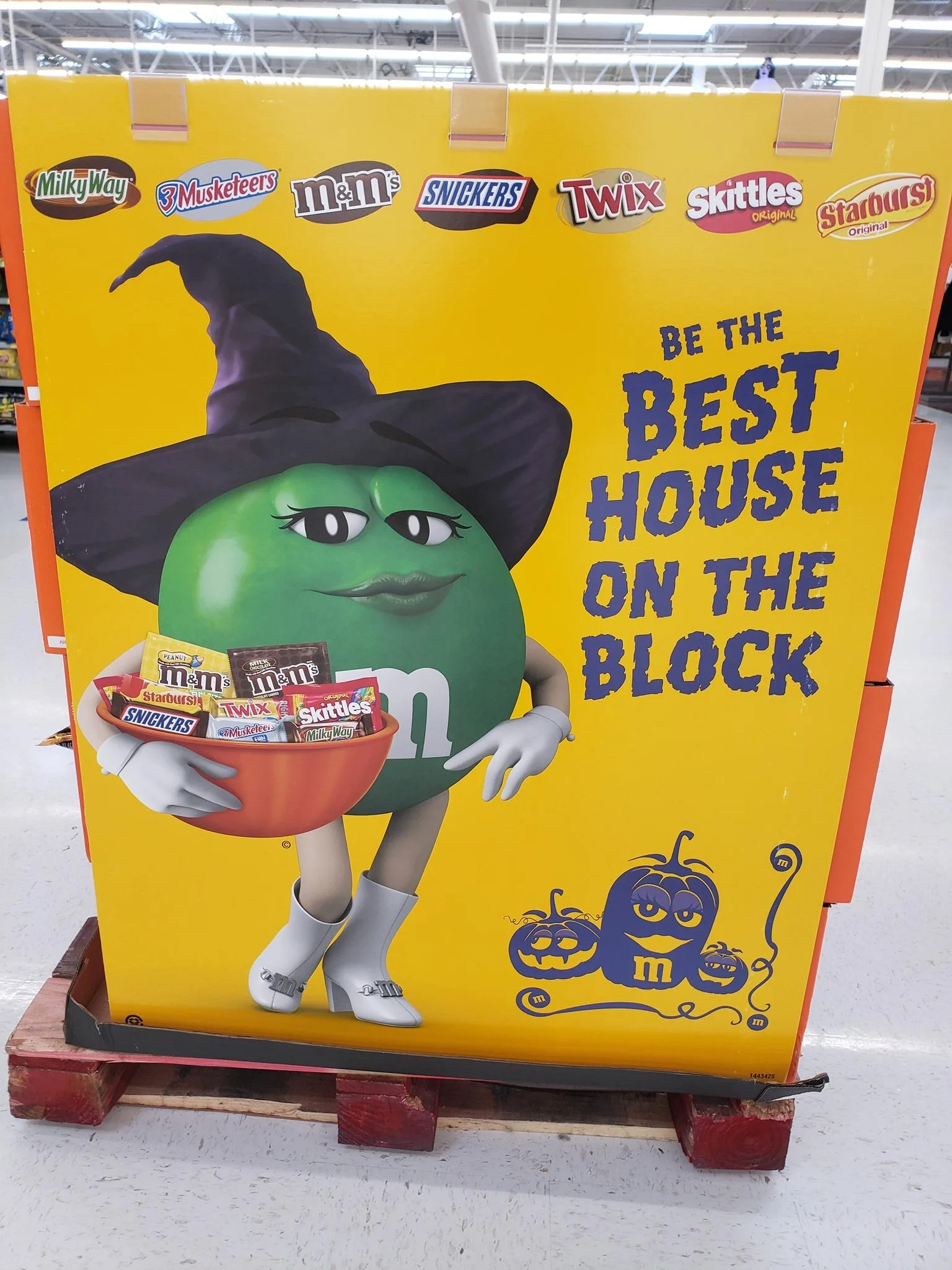
The campaign demonstrates how Halloween promotions can move customers between digital and physical touchpoints.
Mobile wallet promotions give customers a convenient way to keep an offer available after discovering it. Instead of relying on shoppers to remember an email or search for a coupon later, a Halloween offer can be added to a digital wallet and surfaced when the customer is ready to redeem it. This is especially useful for brands operating both online and in physical retail.
Target’s loyalty experience demonstrates how promotional offers can be connected to its mobile app and Wallet experience. Target Circle members can access eligible bonuses and rewards through the Target app, while rewards can be applied toward future purchases.
For Halloween, brands can adapt this model by giving customers a Halloween coupon, reward, or promotional pass that remains accessible on their phone throughout the campaign period.
Not every Halloween shopper who visits a product page will purchase immediately. Retargeting can bring those customers back with a message based on what they previously viewed or added to their cart. The key is to make the second interaction more relevant rather than simply showing the same advertisement again. A time-limited Halloween incentive can be used selectively for shoppers who need an additional reason to complete the purchase.
Mars Wrigley used personalized creative at scale during its 2025 Halloween campaign with Walmart Connect. The campaign used dynamic creative and data-driven targeting across seasonal brand and featured-product strategies, with different creative variations designed for different audiences.
This illustrates how Halloween advertising can use customer and product signals to make promotional creative more relevant.
A post-Halloween bounce-back offer gives customers a reason to return after the Halloween campaign ends. Instead of allowing the customer journey to stop after October 31, brands can attach a time-limited reward to the original purchase. The reward could be a percentage discount, fixed-dollar coupon, bonus loyalty points, free shipping, or store credit that customers can redeem on their next purchase. This turns a seasonal transaction into an opportunity for another purchase in November.
Sally Beauty documents a specific bounce-back coupon mechanic in its official coupon policy. The company accepts coupons printed on a Sally receipt that give the customer a specified discount on their next purchase at a Sally store.
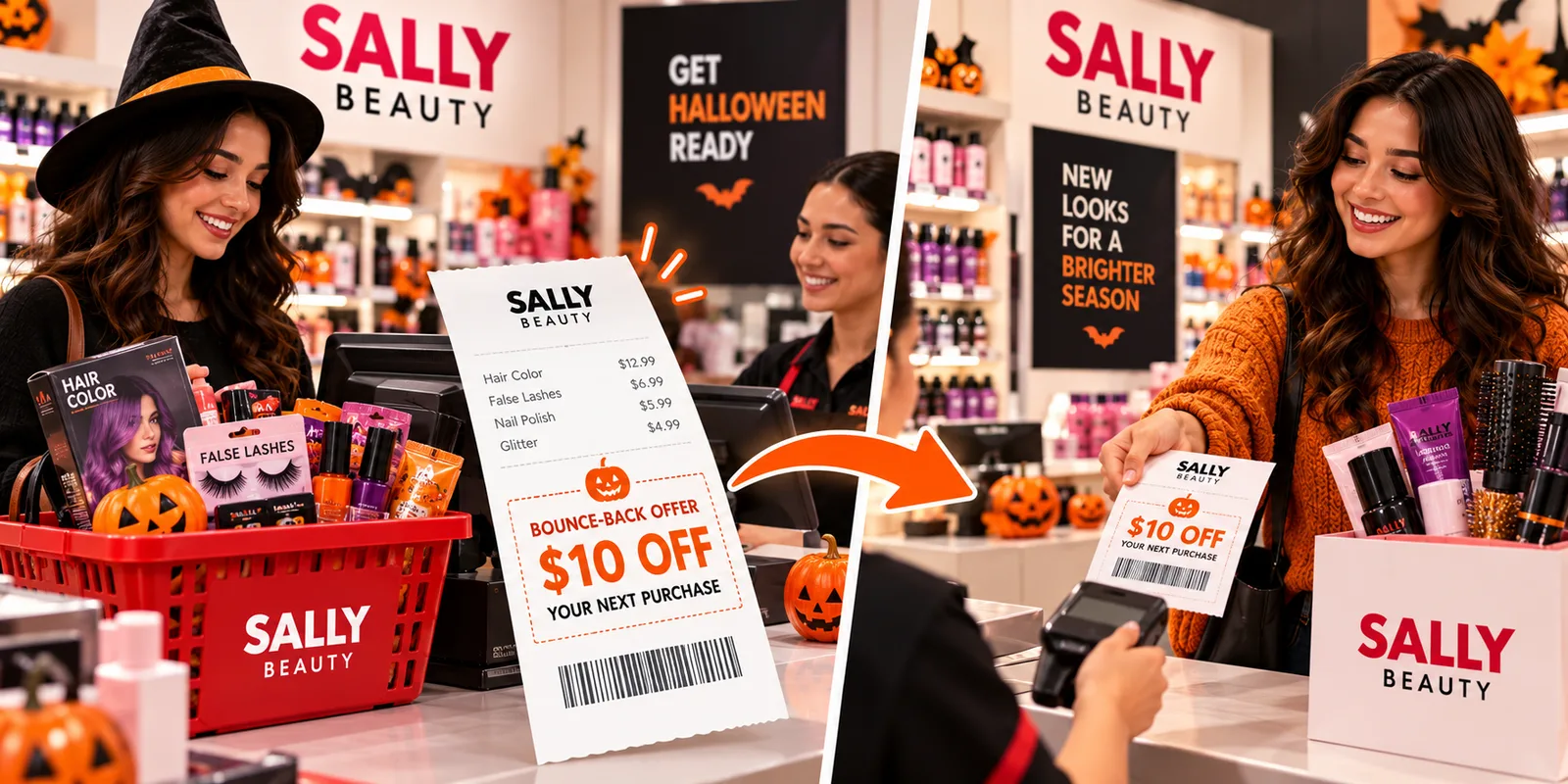
For Halloween, a brand could adapt the same mechanic with an offer such as: “Spend $50 on Halloween products and get $10 off your next purchase in November.”
Kohl’s uses a similar model with Kohl’s Cash. During earn periods, shoppers get $10 in Kohl’s Cash for every $50 they spend, which they can redeem only during a later redeem period. This gives customers a built-in reason to come back.
99minds brings coupons, gift cards, loyalty, referrals, store credit, and wallet passes into one platform, so retailers can run every stage of a Halloween campaign without stitching together separate tools. It works with Shopify and BigCommerce stores as well as in-store channels.
Here is how each part supports the ideas in this guide:
Because these tools share the same customer data, a retailer can plan one connected journey: early access for VIPs in mid-October, bundles and bonus points during Halloween week, and a bounce-back reward in November.

The key takeaway is that Halloween promotions work best as a connected campaign, not a single discount. Brands that link several promotions together can turn one seasonal purchase into a longer customer relationship.
Start by matching each promotion to a goal. Bundles and BOGO offers raise average order value, loyalty rewards encourage repeat purchases, gift-card promotions bring in extra revenue, referrals attract new customers, and bounce-back offers carry Halloween demand into November.
Then connect them into one journey. A campaign can open with VIP early access, convert shoppers with a seasonal offer, and close with a reward that brings them back for the next purchase. With 99minds, retailers can run coupons, gift cards, loyalty rewards, referrals, and store credit from one platform, so the entire Halloween journey stays connected from the first offer to the November follow-up.